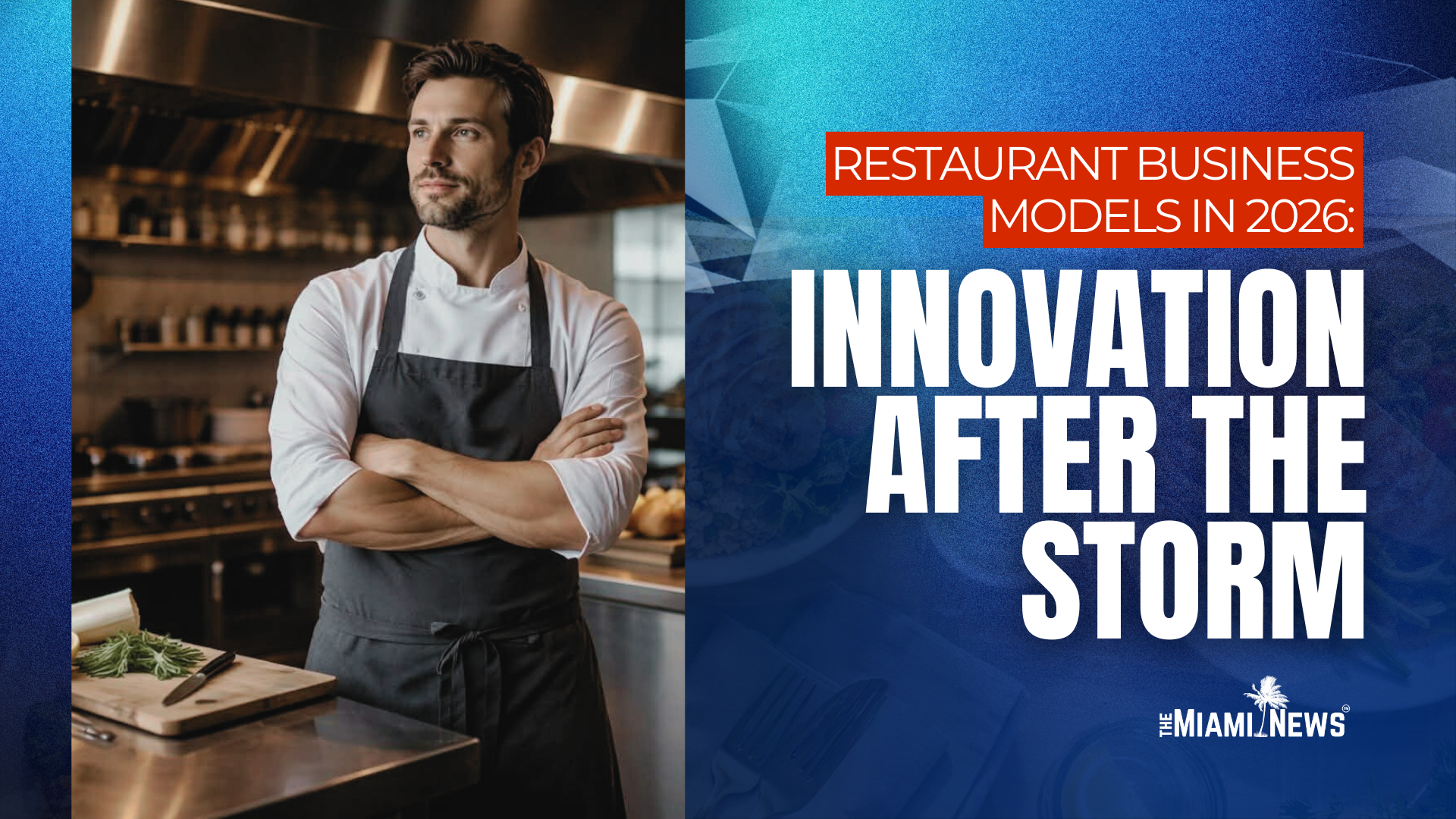
Following years of closures, labor shortages, and rising operational costs, restaurants in 2026 are adopting bold new business models that prioritize flexibility, efficiency, and long term survival.
The turbulence of 2025, which saw more than 100 restaurant closures in Los Angeles alone, accelerated a shift in how food businesses think about staffing, overhead, and customer engagement. In response, many restaurants are moving away from traditional brick and mortar formats and embracing adaptive, technology driven operations.
“Survival now depends on building lean, smart kitchens that can pivot instantly,” said Marisol Cheng, cofounder of Miami based Kitchen Share, a cooperative culinary workspace. “We’ve entered the era of the modular restaurant.”
Virtual brands and delivery only kitchens have matured significantly. Many operate from shared commercial spaces that allow chefs to manage multiple food concepts from a single location. This approach reduces overhead costs while enabling businesses to test menus and trends in real time through customer delivery data.
Reservation only dining models are also becoming more common. Restaurants are using advanced booking systems and dynamic pricing to minimize food waste and manage labor more effectively. At Miami restaurant Echo Table, Chef Marcus Li now runs a four night dinner service built entirely around reservations and seasonal menu planning.
“We don’t gamble with our margins anymore,” Li explained. “We plan like analysts, not just chefs.”
Subscription based dining is another growing trend. Some restaurants now offer monthly memberships that include meal credits, priority reservations, exclusive tasting events, and chef led experiences. Others are expanding revenue through branded retail products, online cooking classes, and meal kits designed for home preparation.
Even traditional dine in restaurants are evolving. QR code menus, automated kitchen systems, and mobile ordering technology are becoming standard features in midrange establishments. These tools allow restaurants to operate with smaller teams while improving efficiency and customer convenience.
In 2026, successful restaurants are treating dining as both a culinary experience and a technology driven business. Innovation is no longer optional. It is the foundation for staying competitive in an industry permanently reshaped by economic pressure and changing consumer behavior.







Be First to Comment