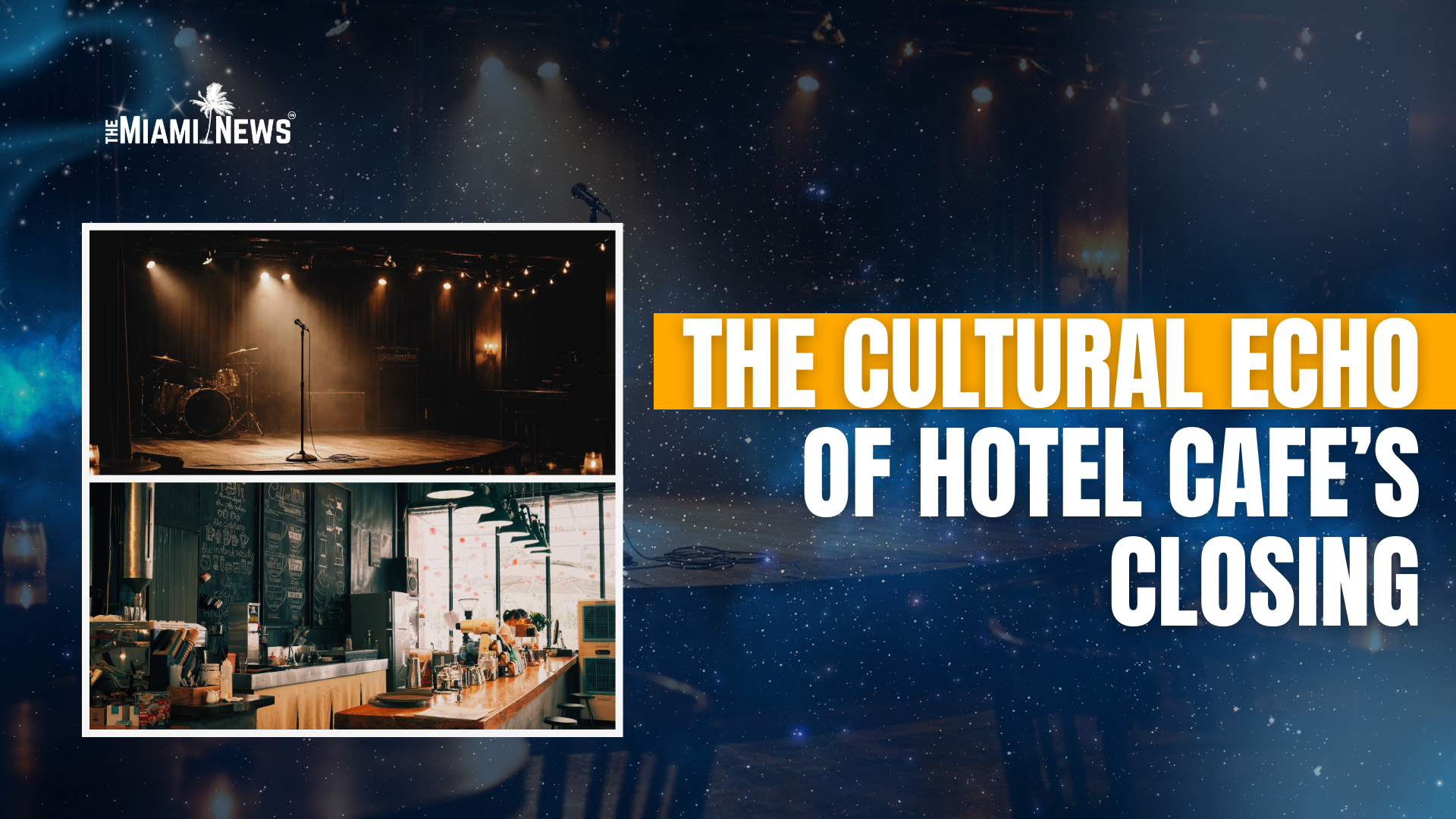
The sudden closure of the iconic Hotel Cafe in Los Angeles marks more than the end of a venue. It signals a turning point in the economics of live music and artist development in 2026.
For more than two decades, the Hotel Cafe served as a launchpad for singer songwriters and an intimate space for musical discovery. From John Mayer to Adele, the venue became synonymous with the LA acoustic renaissance of the 2000s and 2010s. However, in late 2025, the venue announced it would shut its doors. The decision was made due to unsustainable rent increases and a rapidly shifting live music landscape.
“It was never about big crowds. It was about energy and intimacy,” said Zoe Mendez, a former booking agent for the venue. “We gave emerging artists their first shot at a real stage. That model is vanishing.”
Industry insiders say the closure reflects broader pressures facing independent music venues across the country. According to the National Independent Venue Association, more than 12 percent of small performance spaces in the United States closed in 2025. These venues cited inflation, changing consumer habits, and the dominance of large scale festivals and social media driven fame as reasons.
While some hope Hotel Cafe will reopen in a different location or under a cooperative ownership model, others believe its closure represents a permanent cultural shift. Virtual concerts and creator platforms are now central to artist discovery. As a result, labels and managers are investing heavily in livestreams, digital performances, and viral content strategies.
Still, musicians and longtime patrons say something irreplaceable is being lost. “You cannot replicate a room like that online,” said singer songwriter Leila Hart. “The silence before the first chord, the connection between strangers, the feeling of being fully present. That only happens in spaces like Hotel Cafe.”
The conversation surrounding the venue’s closure also highlights larger questions about urban development and cultural preservation. As rents continue to rise in major cities, many independent venues are struggling to compete. They must fight against luxury retail, corporate chains, and high end real estate projects.
As the Hotel Cafe fades into memory, its legacy continues to resonate throughout the music industry. In 2026, the future of live music may depend not just on talent. Instead, it may depend on whether cities are willing to protect the spaces where artists first learn to be heard.











Be First to Comment