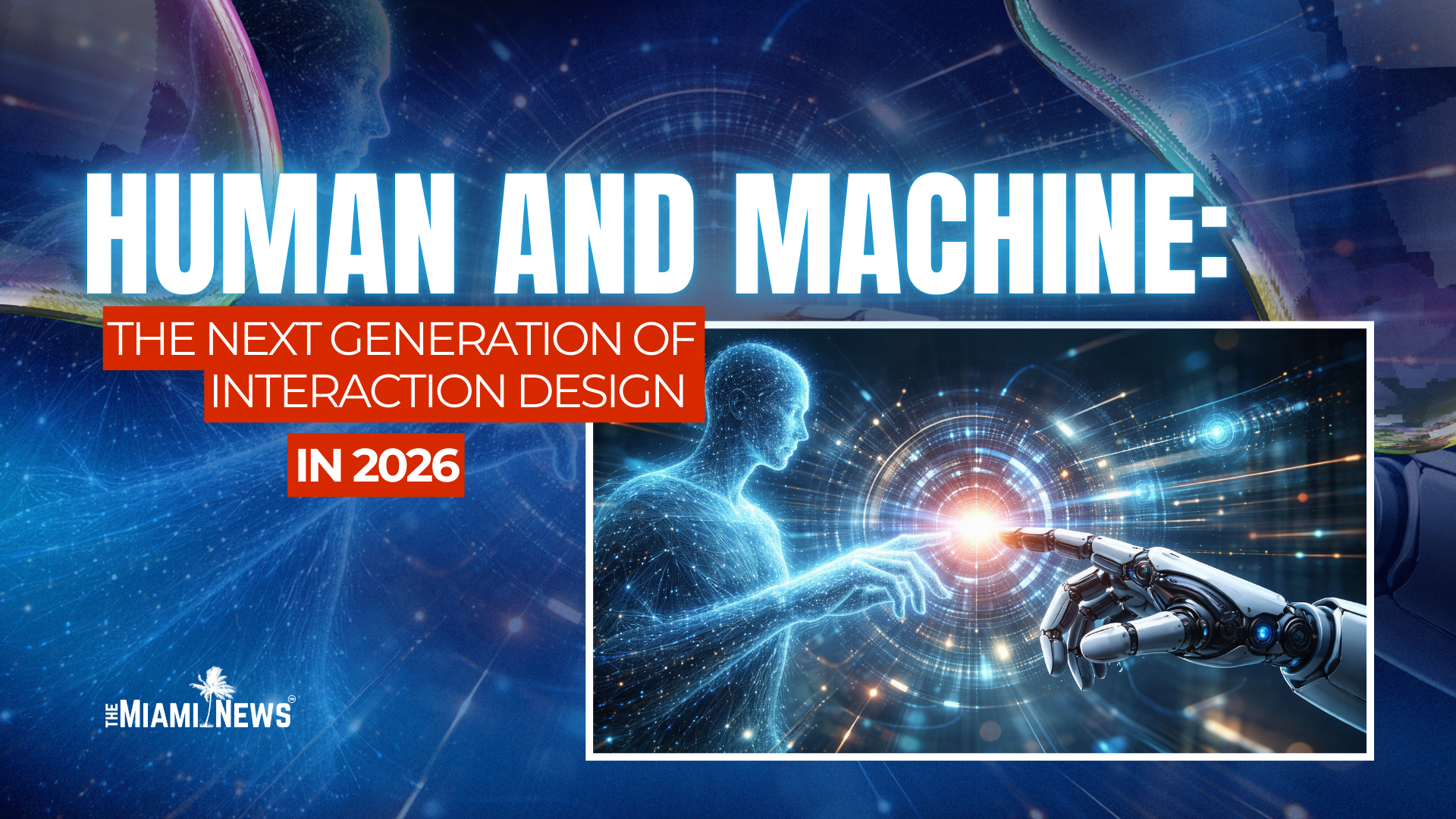
As artificial intelligence becomes more deeply embedded in everyday life, the design of how humans interact with machines is undergoing a major transformation in 2026. From emotion recognition to context aware interfaces, interaction design is evolving to make technology feel less like a tool and more like a collaborator.
Traditional clicking and tapping are rapidly giving way to voice commands, gestures, eye tracking, and biometric responses. Devices now anticipate user needs based on surroundings, routines, and behavioral patterns. According to the Interaction Futures Lab, more than half of new consumer technology products released this year include some form of adaptive or responsive interface.
“Designers are no longer just building for functionality,” said Thomas Nwoke, a human computer interaction researcher at Stanford University. “They are designing systems that feel intuitive, emotionally aware, and capable of building trust with users.”
Emotion recognition technology is becoming increasingly common in smart devices. AI powered systems can now interpret facial expressions, vocal tone, and physical cues to adjust responses in real time. A smart assistant might lower lighting and suggest calming music after detecting stress, while automotive systems can monitor driver fatigue and issue safety alerts.
Context awareness is another major shift shaping the future of interaction design. Devices can now adapt based on location, time of day, activity, and user behavior. Smartphones automatically transition between work and personal modes, while health applications modify recommendations according to sleep patterns, hydration levels, and stress indicators.
Software design is also changing. Interfaces are becoming more conversational and less dependent on traditional menus or navigation systems. Developers are focusing on natural language prompts, emotional clarity, and reducing cognitive overload in digital environments.
At the same time, experts warn that increasingly personalized technology raises serious questions about privacy, consent, and emotional dependency. Designers and regulators are being challenged to balance innovation with ethical responsibility as machines gain deeper access to human behavior and decision making.
In 2026, interaction design is no longer just about usability. It is about creating experiences that feel responsive, adaptive, and human centered in a world where technology is becoming an active participant in daily life.





Be First to Comment