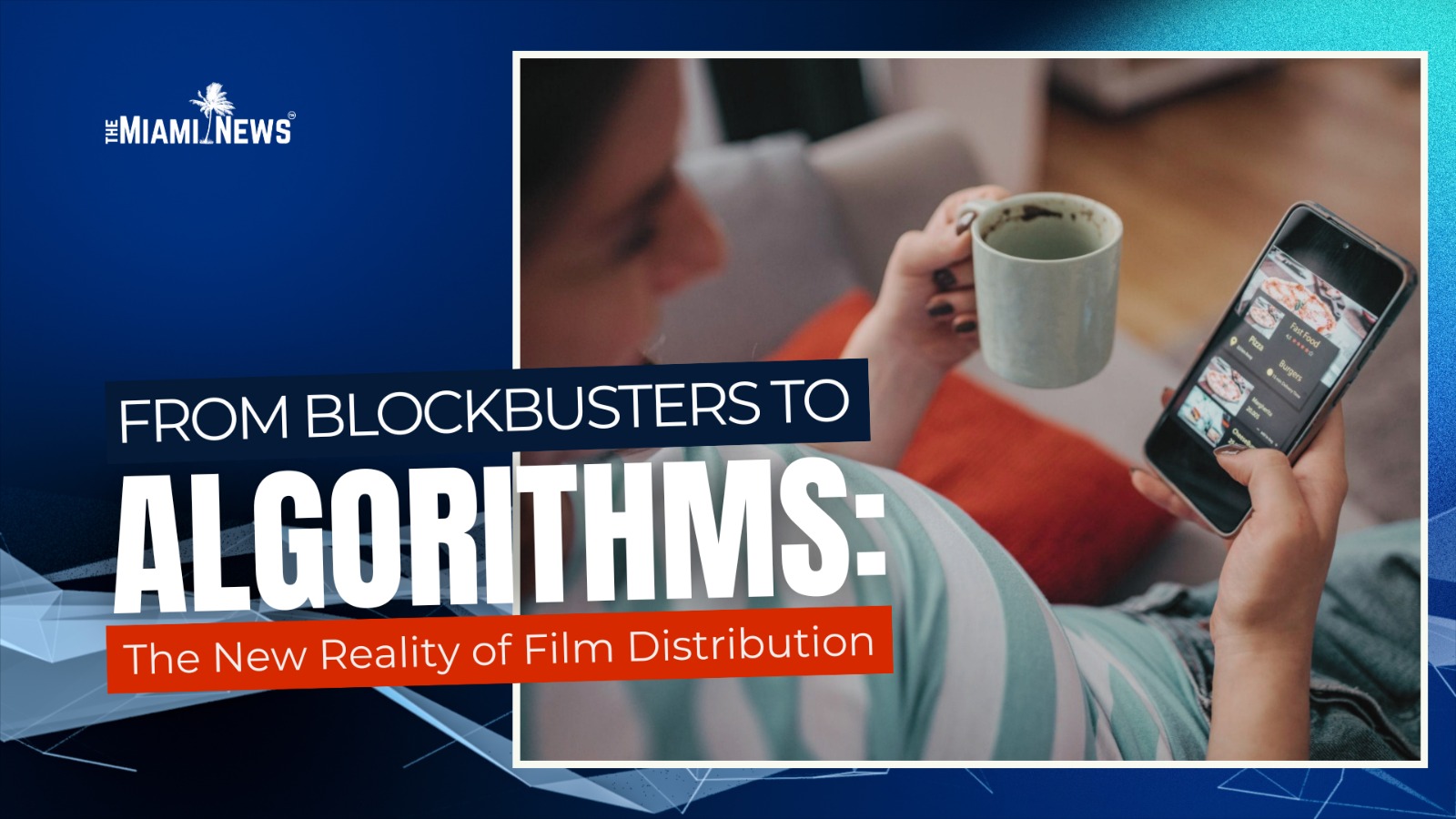
As viewing habits evolve, the relationship between production quality and audience perception is becoming increasingly complex.
MIAMI — The modern film industry is confronting a paradox. Despite unprecedented investment in production, audiences are increasingly consuming content through algorithm-driven platforms that prioritize accessibility over cinematic experience.
In this environment, the distinction between high-budget productions and lower-cost content is becoming less visible. Viewers often encounter films and series in the same digital interface, where thumbnails and recommendations carry more influence than production scale.
This shift is changing how content is perceived. A film’s visual quality, once defined by theatrical presentation, is now filtered through compression, screen size, and viewing conditions. As a result, even large-scale productions can appear visually similar to lower-budget projects.
The phenomenon is compounded by the rise of standardized production techniques, including the widespread use of digital workflows and uniform lighting strategies. Together, these factors contribute to a more consistent but less distinctive viewing experience.
For studios, the challenge is no longer just creating content that stands out in theaters. It is ensuring that content retains its impact when consumed on a phone, tablet, or television in a home environment.
As algorithms continue to shape discovery, the future of filmmaking may depend as much on presentation and platform dynamics as it does on storytelling and production value.






Be First to Comment