
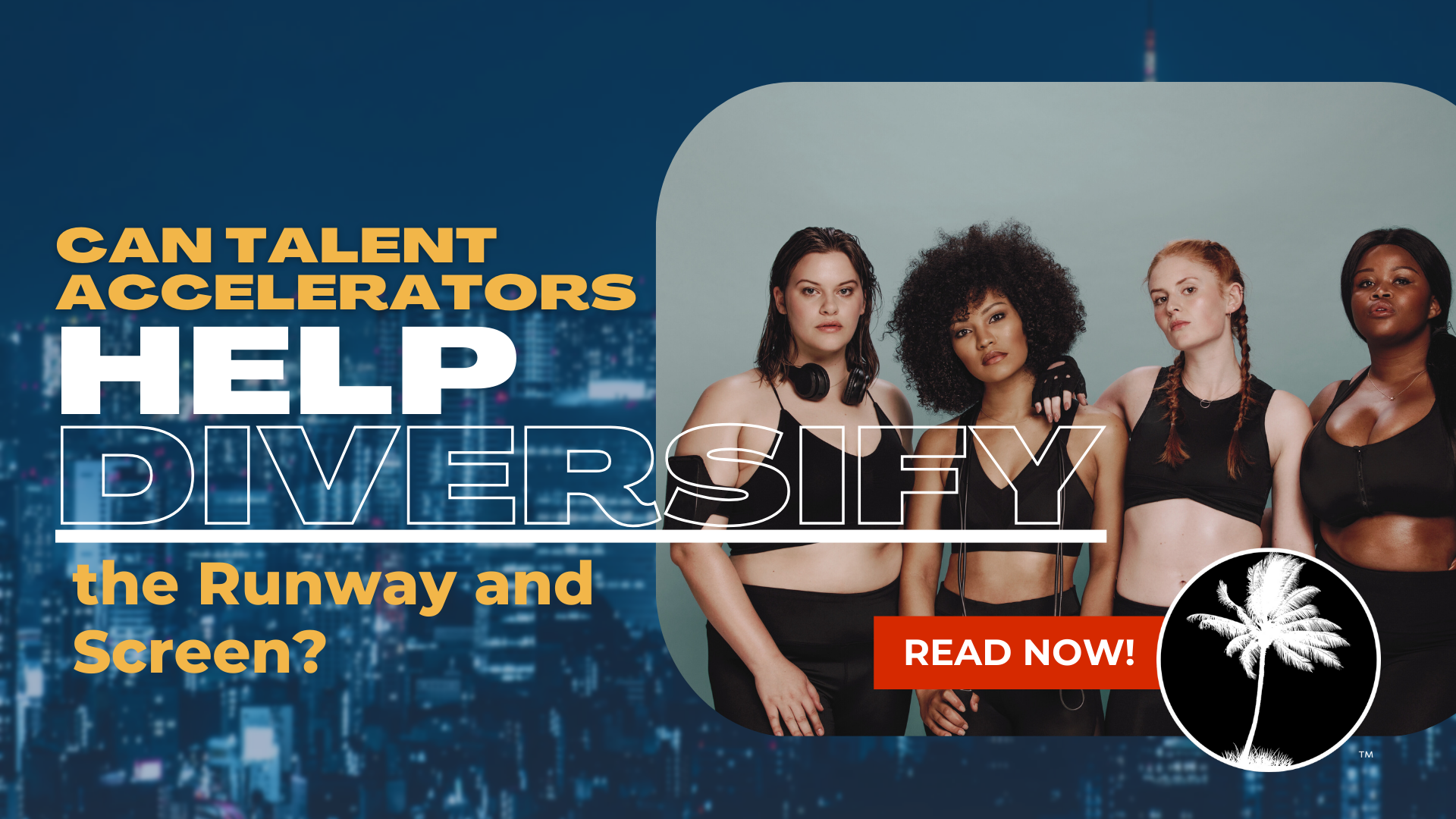
The entertainment and fashion industries have long made bold promises about diversity. But despite high-profile campaigns and runway inclusivity slogans, progress toward inclusivity has often moved in fits and starts. Runway inclusivity is now a focus. A growing number of talent accelerator programs are aiming to do what the gatekeepers haven’t: create real access for underrepresented aspiring talent.
From models in small towns to actors without agency connections, many creatives have found themselves shut out of opportunity. This exclusion is not because of talent but because of zip code, body type, or background. This is where accelerators like VIP Ignite Live say they step in.
Rethinking the Pipeline
Traditionally, access to modeling agencies or casting directors required being in New York, Los Angeles, or London. It also required fitting a narrow mold. Talent accelerators challenge that model by offering curated coaching, digital showcases, and live events. These connect emerging artists with industry decision-makers, no matter where they’re based. This is part of the broader effort towards runway inclusivity.
“A young performer in rural Georgia or a single mom in Detroit deserves the same shot as someone walking into a Manhattan agency,” says Alycia Kaback, founder of VIP Ignite and a producer focused on expanding representation in media. “We’re not lowering standards, we’re widening the lens.” That widening includes a focus on runway inclusivity for aspiring models.
Programs like VIP Ignite focus on helping aspiring talent build portfolios, understand branding and practice interviews. They also host digital and in-person events where participants meet with agents, scouts and producers.
Representation Beyond the Billboard
While progress has been made in visible campaigns, true inclusivity means systemic change. A 2024 report by the Geena Davis Institute showed that while representation of Black and Latinx actors in film had increased, disabled, plus-size and LGBTQ+ talent remained underrepresented in major media.
Talent accelerators are attempting to change that. They do this not just by giving access, but by rewriting narratives.
Participants often include people over 35 starting second careers, performers of diverse ethnicities, and talents who never saw someone like them on screen growing up.
“Growing up, I didn’t see anyone who looked like me in fashion,” says Harpreet Kaur, a 29-year-old model from Toronto who joined a bootcamp in 2023. “Now I’m being booked because of my difference, not in spite of it.”
Opportunities and Obstacles
While the promise is strong, some critics argue that accelerators can only go so far without broader industry buy-in. Lasting change requires casting directors, producers and designers to actively seek varied talent and shift what they define as marketable.
Cost is also a concern. Some programs charge thousands of dollars, putting them out of reach for the very communities they seek to empower. Transparency and scholarship access are ongoing discussions.
Still, many graduates say the programs gave them a platform they never had before, one they used to book work, sign with agents and finally feel seen.
A More Inclusive Industry?
The industry is slowly catching up. Brands like Fenty and Aerie have built campaigns around inclusivity, while digital-first series have opened doors for nontraditional stars. But lasting diversity requires change at every level of the system.
Talent accelerators may not be the only answer. However, they are becoming a critical part of the solution for achieving runway inclusivity. By focusing on skills, mentorship, and exposure, they offer an alternative path. One that doesn’t rely on being discovered by chance.
And for many aspiring performers, that shift makes all the difference.







Be First to Comment