Once viewed primarily as cultural investments, public art projects are increasingly recognized as catalysts for tourism, economic growth, and community identity.
A blank wall can transform more than a streetscape.
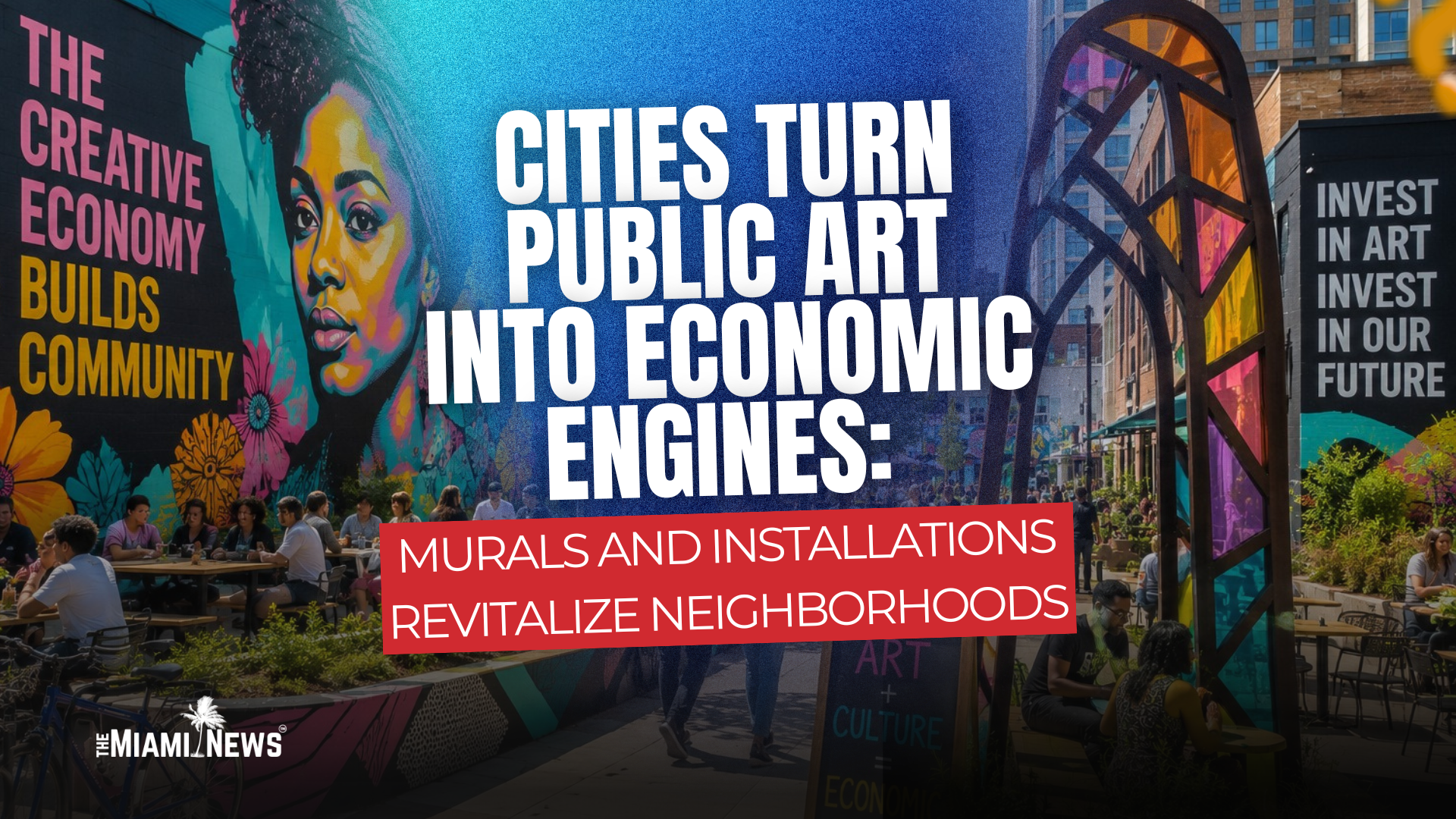
Across the world, cities are investing in murals, sculptures, and public installations as tools for economic development. Public art has become an increasingly important strategy for attracting visitors, revitalizing neighborhoods, and strengthening local identity.
Urban planners point to numerous examples where artistic initiatives have helped reshape underutilized districts. Colorful murals and large-scale installations often attract social media attention, drawing visitors and supporting nearby businesses.
The impact extends beyond tourism. Public art can foster civic pride, encourage community engagement, and create spaces where residents feel connected to their surroundings.
Artists play a central role in this transformation. Many projects involve collaboration with local communities, ensuring that installations reflect neighborhood history and culture rather than imposing outside perspectives.
Economic studies increasingly suggest that cultural investments generate returns that extend beyond aesthetics. Restaurants, retail businesses, and hospitality providers often benefit from increased foot traffic associated with successful public art projects.
Miami’s Wynwood district remains one of the most visible examples of how creative placemaking can transform an area into an internationally recognized destination.
As cities continue competing for talent, investment, and tourism, public art is becoming an essential component of urban strategy.
Great public art does more than beautify a city. It tells a story, creates a destination, and inspires people to stay awhile.