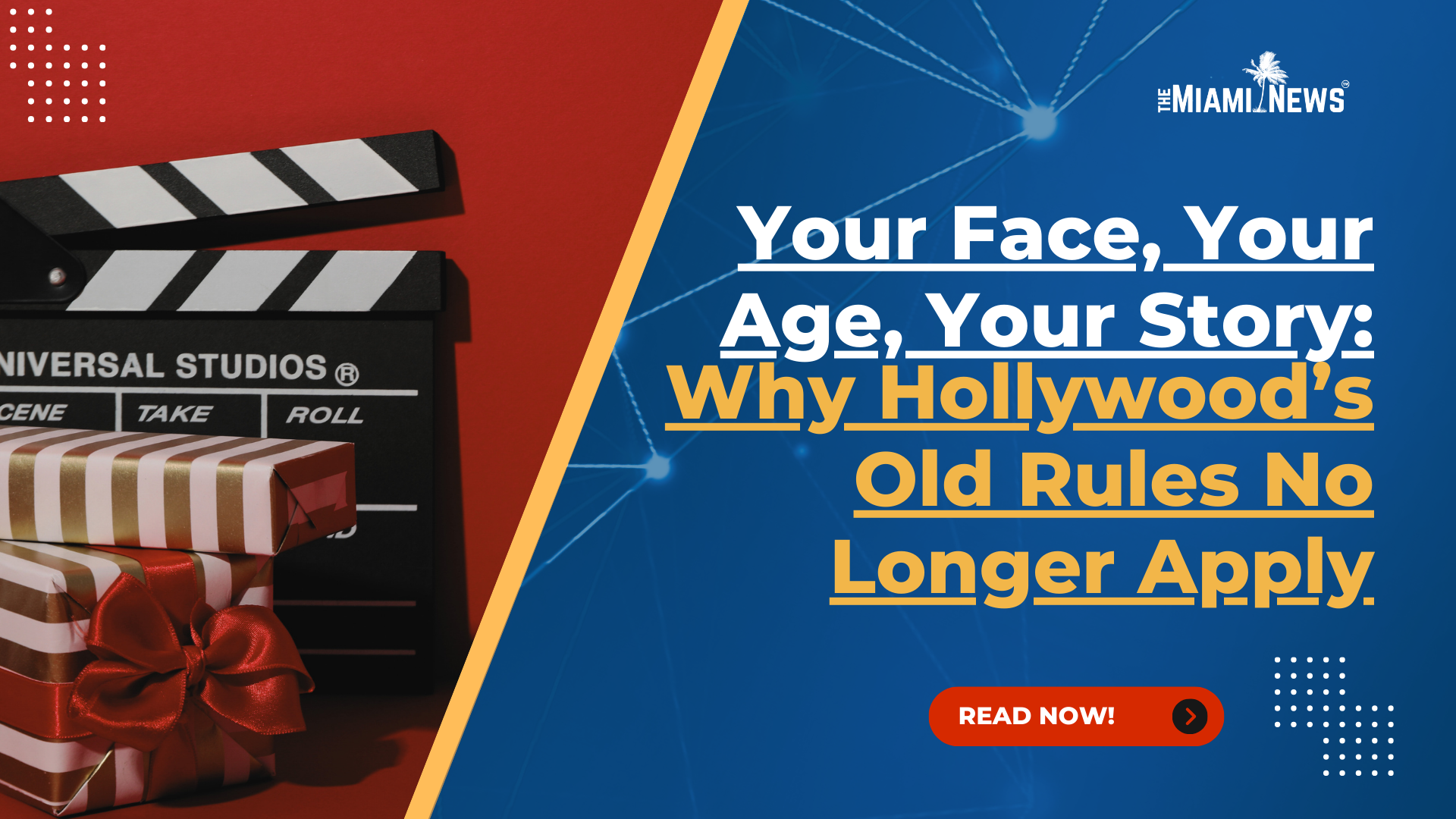
For decades the path to success in modeling and acting often seemed reserved for the young and conventionally beautiful. But in 2025, many aspiring artists are challenging that narrative, embracing their age, unique looks and personal stories to find success. As the industry slowly opens up, programs and movements challenging old norms are giving fresh hope to those who once believed they were “too old” or “did not look like a typical model.”
The “Too Old” Myth Is Breaking Down
It is a common refrain among those considering acting or modeling later in life: I’m too old to start. For years, that fear was not without merit. Ageism in entertainment remains a documented barrier, especially for older actors trying to break into the industry.
Yet a recent wave of older entrants is proving that life experience can be a unique asset. Maturity often brings emotional depth, confidence and a perspective that younger newcomers may lack. Artists over 50 can bring authenticity and real-world gravity to roles that demand nuance.
The shift is not only personal. Broader industry changes are helping too. Streaming platforms, independent film and the growing demand for diverse storytelling are increasing opportunities for actors of different ages. For many, that means opportunity if they are willing to bring their real selves to the audition.
Beauty Standards Are Evolving
For decades, modeling and acting industries operated under narrow definitions of beauty. Youth, certain body types and Eurocentric features often dominated casting decisions.
Today, that rigid mold is losing its grip. Brands and casting directors are recognizing that audiences want to see themselves reflected in media. Diversity now includes age, body type, ethnicity and nontraditional looks. Industry professionals increasingly believe that actors and models who stand out because of their uniqueness bring real value to campaigns and productions.
Alternative modeling, which celebrates unconventional beauty and individuality, is also becoming more visible in mainstream media.
For people who once assumed they did not “look the part,” these changes can be liberating. They can lean into what makes them different, whether it is their scars, age lines, heritage or personality. Authenticity is becoming a strength rather than a limitation.
How Talent Accelerators Help
One of the biggest barriers for aspiring nontraditional talent has always been access. Auditions, representation, coaching and exposure are often concentrated in major entertainment hubs and among select demographics.
Talent accelerator programs can help level that playing field. These programs often provide portfolio development, confidence coaching, branding support and access to casting opportunities.
One example is VIP Ignite, a talent accelerator known for helping aspiring performers break into the industry by emphasizing authenticity and providing access to professional networks.
For many participants, the biggest transformation is internal. The shift from self-doubt to self-confidence can become the turning point that changes the trajectory of a career.
Real Stories of Reinvention
Stories of reinvention later in life are becoming more common. Some actors begin in their 40s or 50s. Others leave careers in business, education or healthcare to pursue creative work.
One former teacher turned actor explained it simply: “I never thought I had the look, but I had the story.”
Another aspiring model described joining a talent program as the moment she stopped hiding her age and started embracing it. Her success was not necessarily a magazine cover. It was finally being seen and taken seriously.
These stories reflect a broader cultural shift. As entertainment becomes more global and audiences demand authentic representation, the industry is slowly expanding its definition of who belongs on screen and on the runway.
Why This Matters Beyond Entertainment
This evolution is not just about fashion campaigns or casting decisions. It reflects a larger conversation about identity, inclusion and representation.
When audiences see people of different ages, body types and backgrounds represented in media, it broadens cultural expectations and challenges outdated beauty standards. Representation can encourage confidence, self-acceptance and a stronger sense of belonging.
For anyone who has ever doubted themselves because of age or appearance, the message is becoming clearer: there is no single formula for success anymore. The industry is changing, and authenticity may be more valuable than perfection.



Be First to Comment