
In a striking shift from childhood pastime to elite investment, Pokémon cards have surged into the ranks of alternative luxury assets, with record-breaking sales capturing global attention. The trend reached a crescendo when Logan Paul revealed he had facilitated and owned Pokémon cards valued at over $19 million, including one of the rarest cards ever graded. As collectibles markets evolve, these once-humble trading cards are now being compared to fine art, vintage watches, and even blue-chip stocks.
At the center of this phenomenon is the enduring appeal of Pokémon, a franchise launched in the late 1990s that has maintained cultural dominance across generations. The trading card game, originally designed for children, has become a serious pursuit for adult collectors, many of whom grew up during Pokémon’s initial boom. Today, nostalgia is not just emotional, it is financial.
The most iconic example is the “Pikachu Illustrator” card, widely considered the holy grail of Pokémon collectibles. In 2022, Logan Paul made headlines when he acquired a PSA Grade 10 version of the card in a deal valued at approximately $5.275 million, later insuring and showcasing it as part of a broader collection exceeding $19 million in value. The purchase was not just a personal milestone, it was a signal to markets that Pokémon cards had entered a new financial stratosphere.
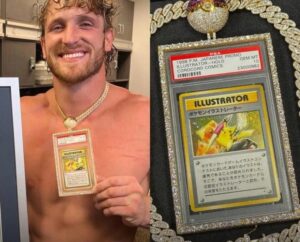
“Collectors are treating these cards like tangible assets,” said a memorabilia analyst at a New York auction house. “They are rare, condition-sensitive, and culturally significant, three ingredients that drive long-term value.”
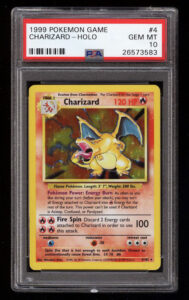
Indeed, grading has become central to the ecosystem. Companies like Professional Sports Authenticator evaluate cards on a scale from 1 to 10, with pristine “Gem Mint” cards commanding exponential premiums. A first-edition holographic Charizard in PSA 10 condition, for example, has sold for hundreds of thousands of dollars, while lower-graded versions may fetch only a fraction of that.
The rise of Pokémon cards parallels broader trends in alternative investing. As traditional markets fluctuate, high-net-worth individuals are increasingly diversifying into collectibles, ranging from sneakers to rare whiskey. Pokémon cards offer a unique blend of accessibility and prestige. Entry-level cards remain affordable, while top-tier items rival the price of luxury real estate.
Digital culture has played a pivotal role in amplifying demand. Unboxing videos, livestream auctions, and influencer endorsements have transformed card collecting into a spectator sport. Platforms like YouTube and Whatnot have created ecosystems where collectors can showcase, trade, and monetize their collections in real time.
Yet, the market is not without risks. Prices can be volatile, driven as much by hype as by intrinsic value. During the pandemic-era collectibles boom, some Pokémon card prices surged dramatically, only to stabilize or decline as supply increased and speculative interest cooled. Experts caution that while rare cards may hold long-term value, not every shiny holographic will yield a return.
“There is a difference between cultural artifacts and mass-produced nostalgia,” noted a financial advisor specializing in collectibles. “The top 1% of cards will likely remain valuable. The rest are less certain.”
For younger collectors, the shift can feel surreal. What was once a simple game of trading and battling has become intertwined with wealth and status. Social media feeds now feature briefcases of graded cards, insurance policies, and investment strategies, far removed from the playground origins of the hobby.
The transformation of Pokémon cards into luxury assets underscores a broader redefinition of value in the 21st century, where culture, memory, and scarcity converge into tangible wealth. Whether this market matures into a stable investment class or remains driven by cycles of hype, one thing is clear: the cards that once symbolized childhood imagination are now reshaping the economics of collecting itself.
Sidebar: The Anatomy of a Million-Dollar Pokémon Card
- Rarity: Limited print runs or exclusive releases, such as tournament prizes
- Condition: PSA 10 “Gem Mint” status dramatically increases value
- Cultural Icon Status: Characters like Charizard or Pikachu drive demand
- Provenance: Ownership history, especially celebrity collectors
- Market Timing: Prices influenced by trends, media exposure, and hype cycles



Be First to Comment