
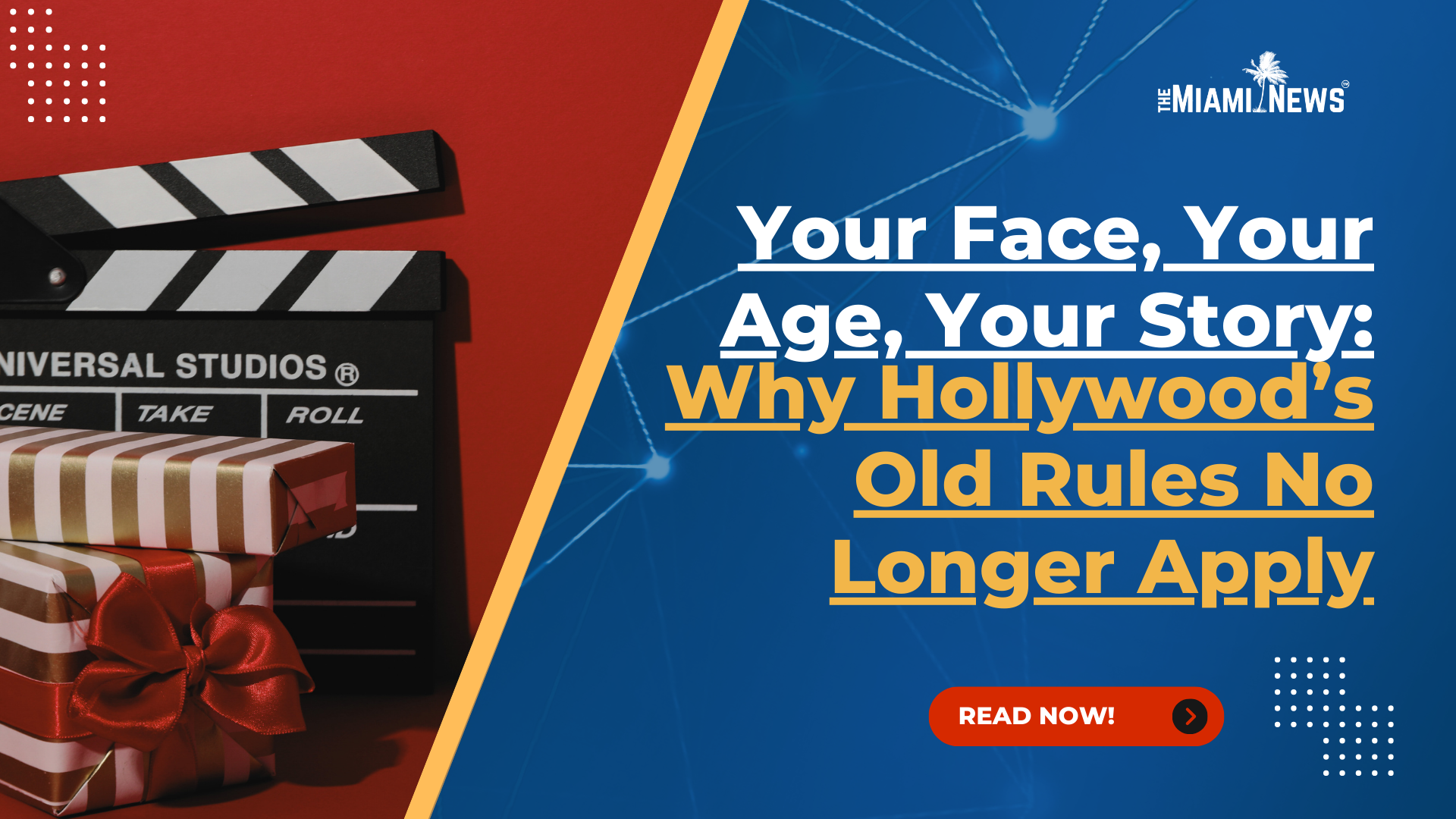
For decades the path to success in modeling and acting often seemed reserved for the young and conventionally beautiful. But in 2025, many aspiring artists are challenging that narrative, embracing their age, unique looks, and personal stories to find success. As the industry slowly opens up, programs and movements challenging old norms are giving fresh hope to those who once believed they were “too old” or “did not look like a typical model.”
The “Too Old” Myth Is Breaking Down
It is a common refrain among those considering acting or modeling later in life: I’m too old to start. For years, that fear was not without merit. Ageism in entertainment remains a documented barrier, especially for older actors trying to break in.
Yet a recent wave of older entrants is proving that life experience can be a unique asset. Maturity often brings emotional depth, confidence, and a perspective that younger newcomers may lack. As one recent advocate for creative aging notes, artists over 50 can bring authenticity and real-world gravity to roles that demand nuance.
The shift is not only personal. Broader industry changes are helping too. Streaming platforms, independent film, and demand for diverse storytelling are increasing the need for actors of different ages. For many, that means opportunity if they are willing to bring their real selves to the audition.
Beauty Standards Are Evolving: Different Looks Are Getting a Chance
For decades, modeling and acting industries operated under narrow definitions of beauty: youth, certain body types, Eurocentric features.
Today, that rigid mold is losing its grip. Brands and casting directors are recognizing that audiences want to see themselves reflected in media. Diversity now includes age, body type, ethnicity, and nontraditional looks. A growing consensus among agencies and industry observers is that models and actors who stand out because of, not despite, their uniqueness bring value.
Alternative modeling, which celebrates nontraditional beauty, body modifications and atypical features, is no longer underground but increasingly visible.
For people who once assumed they did not “look the part,” these changes can be liberating. They can lean into what makes them different: their scars, their age lines, their heritage, their personality. That honesty can become a strength rather than a limitation.
How Talent Accelerators and Support Programs Help
One of the biggest barriers for aspiring nontraditional talent has always been access. Auditions, representation, coaching and exposure are often concentrated in major hubs and among select demographics. Talent accelerator programs can help level that playing field.
These programs may offer portfolio building, confidence coaching, guidance on branding and access to casting opportunities. One example is VIP Ignite, a talent accelerator known for helping aspiring performers break into the industry by emphasizing authenticity and providing access to professional networks.
Real People, Real Success: Stories of Reinvention
Stories of talent rediscovery later in life are becoming more common. Some actors start in their 40s or 50s. Others switch careers entirely, from business, education, or other fields, to modeling or performance. What unites them is that they draw on lived experience, resilience, and the belief that authenticity matters.
One former teacher turned actor put it simply: “I never thought I had the look, but I had the story.” Another aspiring model from midlife described joining a talent accelerator as the moment she stopped hiding her age and started owning it. Their success is not always a magazine cover. Often it is a role, a campaign, or simply the first “yes.”
These are not exceptions. They reflect a broader shift in the creative economy’s priorities. As visual media aims to mirror real audiences, demand for authentic representation is rising. With it comes opportunity for those who may have once felt unseen.
Why This Matters Beyond Glamour
This change is not just about casting or fashion. It reflects a cultural shift in how society values identity, experience, and representation. When media showcases diverse ages, body types, backgrounds and stories, it expands the narratives we see and the people we recognize.
Representation matters. Seeing a mature actor in a leading role, a model with scars in an ad, or someone who looks like you on screen can challenge narrow beauty standards and open doors for others. It can foster self-acceptance and broaden what is considered desirable or valid.
As one researcher argues, creative industries must treat inclusion not as a trend, but as a structural commitment. One that values authenticity over uniformity, and experience over youth.
For anyone who has ever doubted themselves because of age or looks, the message is clear: Your story still matters. The lens has widened, and there may never have been a better time to be seen just as you are.




Be First to Comment