
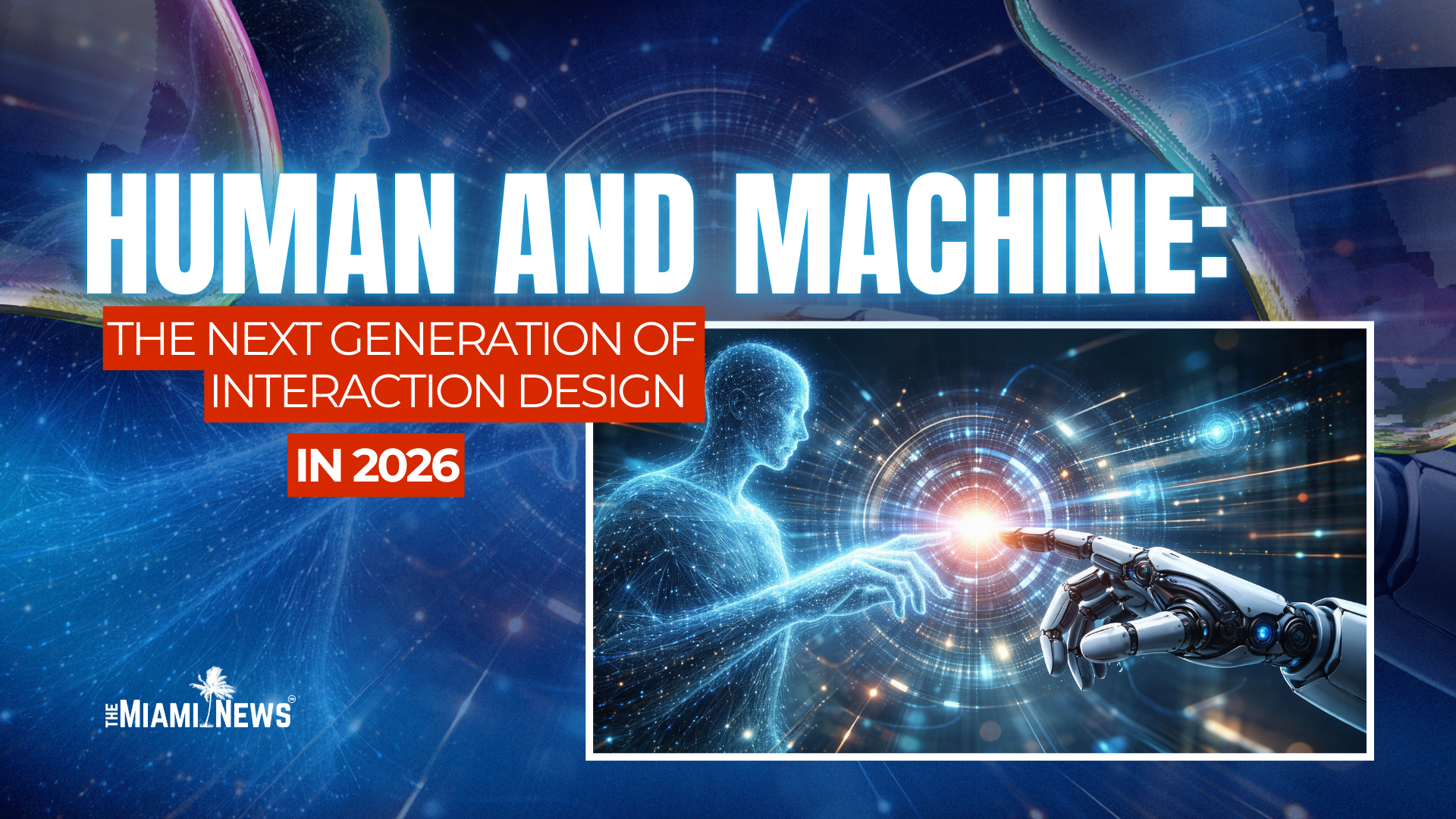
As artificial intelligence becomes more embedded in daily life, the design of how humans interact with machines is undergoing its own transformation in 2026. From emotion recognition to context-aware interfaces, interaction design is evolving to make technology feel less like a tool and more like a collaborator.
Gone are the days when clicking and tapping were the default. Today’s interfaces respond to voice, gestures, gaze, and even mood. Devices anticipate needs based on surroundings, time of day, and biometric cues. According to the Interaction Futures Lab, more than 50 percent of new consumer tech products now use some form of adaptive interface.
“Designers are no longer just building for functionality. They’re crafting relationships,” said Thomas Nwoke, a human-computer interaction researcher at Stanford. “The goal is to create systems that feel natural, respectful, and emotionally intelligent.”
Emotion recognition systems, powered by facial analysis and vocal tone mapping, are being integrated into everything from cars to virtual assistants. A smart display might dim lights and suggest relaxing music if it detects signs of stress. AI companions are learning to pause, listen, and adjust their responses based on subtle social cues.
Context awareness is another breakthrough. Smart systems now adapt interfaces based on where you are, who you’re with, and what you’re doing. This enables a phone to switch from work mode to personal mode automatically, or a fitness app to adjust goals depending on sleep and hydration levels.
These changes are also impacting software design. Apps are becoming more modular and conversational, with less reliance on menus and more use of prompts and natural language. Designers are testing for emotional clarity and cognitive load, not just usability.
At the heart of this shift is a broader question: What should the relationship between humans and machines feel like? Experts argue that designing for emotion, trust, and fluidity is as important as technical performance.
In 2026, interaction design is no longer about humanizing machines. It is about evolving the interface into something that listens, learns, and grows alongside the user.



Be First to Comment