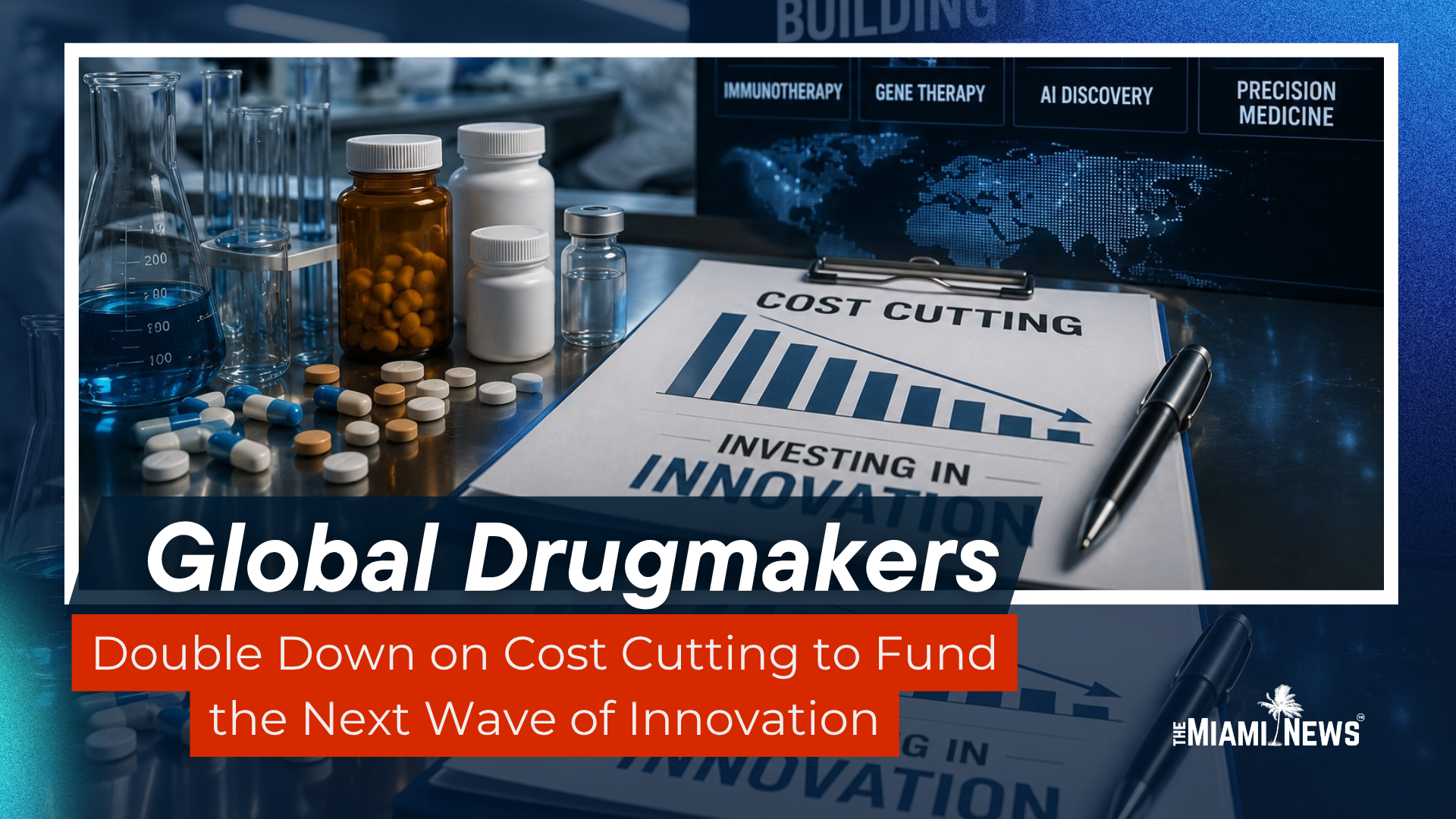
Pharmaceutical companies are streamlining operations, reducing expenses, and restructuring their businesses as they race to invest in breakthrough medicines and remain competitive in an increasingly demanding global healthcare market.
The pharmaceutical industry is entering a new phase of transformation as some of the world’s largest drugmakers implement aggressive cost-cutting strategies to support future innovation. Facing growing competition, patent expirations, and increasing research costs, companies are restructuring their operations to free up billions of dollars for investments in next-generation treatments, including cancer therapies, obesity drugs, and precision medicine.
Over the past year, several major pharmaceutical firms have announced workforce reductions, facility consolidations, and organizational restructuring aimed at improving efficiency. While these decisions have resulted in job losses across parts of the industry, executives argue that reducing operational costs is necessary to maintain long-term competitiveness and accelerate the development of life-saving medicines.
Research and development remains the industry’s largest investment priority. Bringing a new medicine from discovery to market can take more than a decade and cost billions of dollars, with no guarantee of regulatory approval. Companies are increasingly focusing their resources on areas with the greatest potential for medical breakthroughs, including immunotherapy, gene editing, rare disease treatments, and personalized healthcare.
One of the strongest drivers of investment continues to be the growing demand for innovative therapies targeting chronic diseases. The global rise in diabetes, obesity, cardiovascular disease, and cancer has created significant opportunities for pharmaceutical companies developing new treatment options. As healthcare systems adapt to changing patient needs, demand for advanced therapies is expected to remain strong for years to come.
Artificial intelligence is also reshaping pharmaceutical research. Drugmakers are using AI to analyze massive datasets, identify promising drug candidates, and improve clinical trial design. By reducing the time required for early-stage research, companies hope to lower development costs while increasing the likelihood of successful treatments reaching patients more quickly.
At the same time, the industry faces mounting financial pressures. Patent protections for several blockbuster medicines are scheduled to expire over the next few years, allowing lower-cost generic and biosimilar alternatives to enter the market. The resulting decline in revenue has prompted pharmaceutical companies to seek new sources of growth through acquisitions, strategic partnerships, and expanded research pipelines.
Healthcare policy remains another major challenge. Governments around the world continue exploring ways to reduce prescription drug costs while expanding access to essential medicines. Pricing reforms, reimbursement changes, and regulatory requirements are influencing how pharmaceutical companies prioritize research investments and commercial strategies.
Investors continue to monitor the sector closely, rewarding companies that demonstrate strong innovation while maintaining disciplined financial management. Analysts say firms with diversified product portfolios, healthy research pipelines, and effective cost controls are likely to be better positioned to navigate an increasingly competitive marketplace.
Patients ultimately stand to benefit if today’s investments produce more effective treatments for diseases that currently have limited therapeutic options. However, healthcare advocates emphasize that innovation must be balanced with affordability, ensuring that medical breakthroughs remain accessible to the people who need them most.
Industry experts believe the coming decade could represent one of the most significant periods of pharmaceutical innovation in history. Advances in biotechnology, genomics, artificial intelligence, and personalized medicine are opening new possibilities for treating diseases once considered untreatable. Companies that successfully combine scientific discovery with operational efficiency will likely emerge as leaders in the next generation of healthcare.
While restructuring and cost reductions often generate short-term uncertainty, pharmaceutical executives view these measures as essential investments in the future. The industry’s ability to balance financial discipline with scientific ambition will shape not only corporate performance but also the pace of medical innovation that could improve millions of lives around the world.