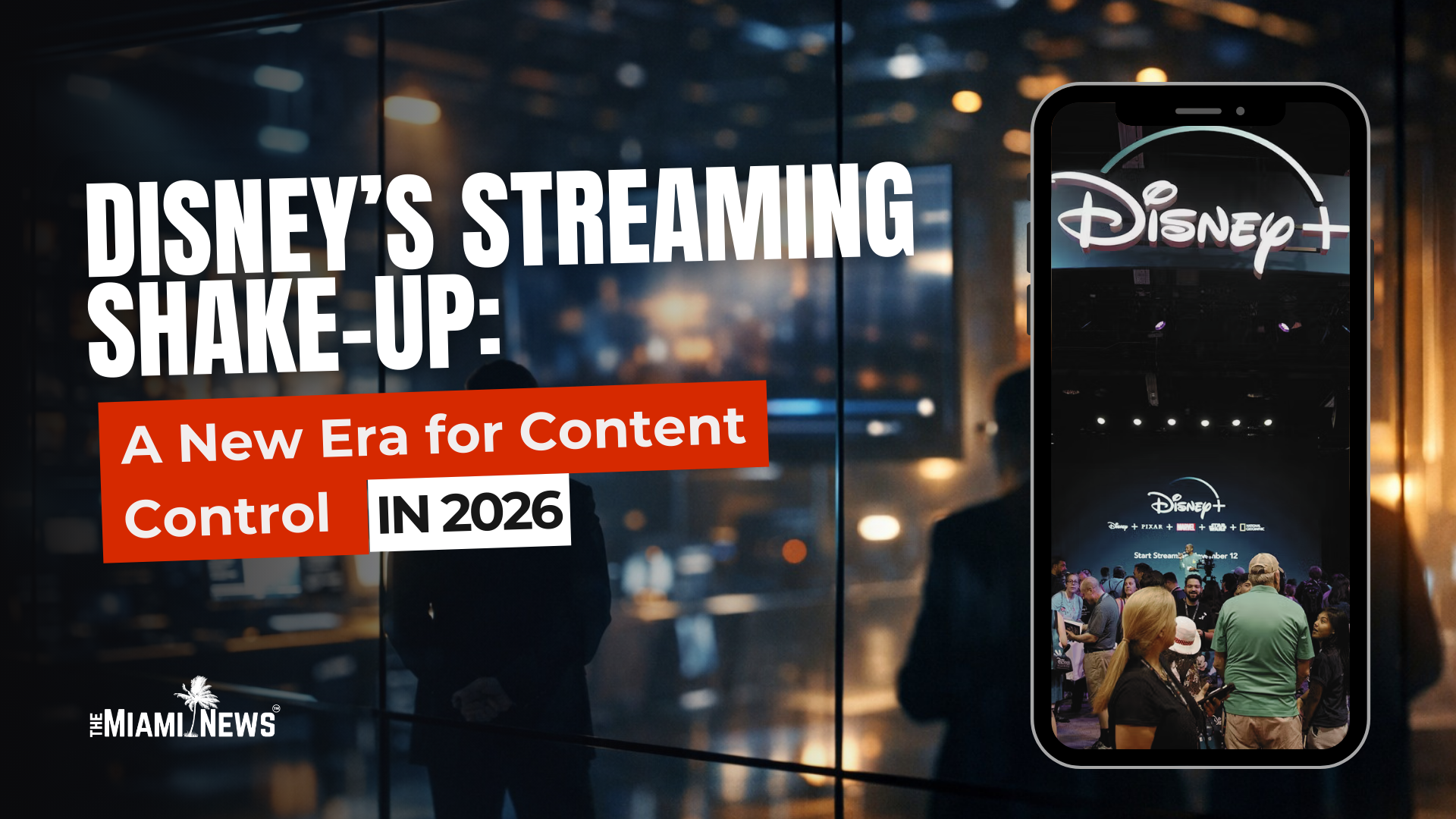
As Disney prepares to fully integrate Hulu into Disney+ in 2026, the move signals a major shift in the global streaming industry and raises new questions about content ownership, competition, and the future of digital entertainment.
The Walt Disney Company announced plans to complete the integration following its multibillion dollar acquisition of Comcast’s remaining stake in Hulu. Beginning in early 2026, subscribers in the United States will gain access to Hulu’s content library directly within the Disney+ platform, creating a single ecosystem that combines family entertainment with more mature programming.
The decision reflects growing pressure across the streaming industry as companies race to retain subscribers while reducing operational costs. With audiences increasingly overwhelmed by fragmented platforms and rising subscription prices, media giants are consolidating services in an effort to simplify viewing experiences and strengthen long term loyalty.
“It’s about meeting audiences where they are,” said Rebecca Campbell, Disney’s head of direct to consumer services, during a recent investor presentation. “Consumers want convenience, variety, and a seamless experience without juggling multiple platforms.”
By combining Disney’s globally recognized franchises with Hulu’s extensive lineup of dramas, documentaries, reality series, and adult animation, the company hopes to position itself as a dominant all in one streaming destination. Analysts say the merger could help Disney compete more aggressively with Netflix, Amazon Prime Video, and emerging international platforms.
Industry experts also see the move as part of a broader trend toward media consolidation. According to Deloitte’s latest digital media report, the average household now pays for four streaming services, but growing subscription fatigue is driving demand for bundled ecosystems and integrated entertainment platforms.
Still, the merger has sparked concerns about content diversity and market concentration. Critics argue that fewer independent platforms could limit opportunities for smaller creators and reduce competition in the entertainment landscape. Others question how Disney will balance its family friendly brand identity with Hulu’s edgier programming.
The integration may also influence how content is produced and distributed moving forward. Studios are increasingly prioritizing franchises, globally marketable stories, and data driven programming strategies that maximize audience retention across consolidated platforms.
As Disney enters this next phase of streaming, the stakes extend beyond subscriber numbers. The company is helping shape the future structure of digital entertainment itself, where control over content, platforms, and audience attention has become one of the most valuable assets in media.





Be First to Comment