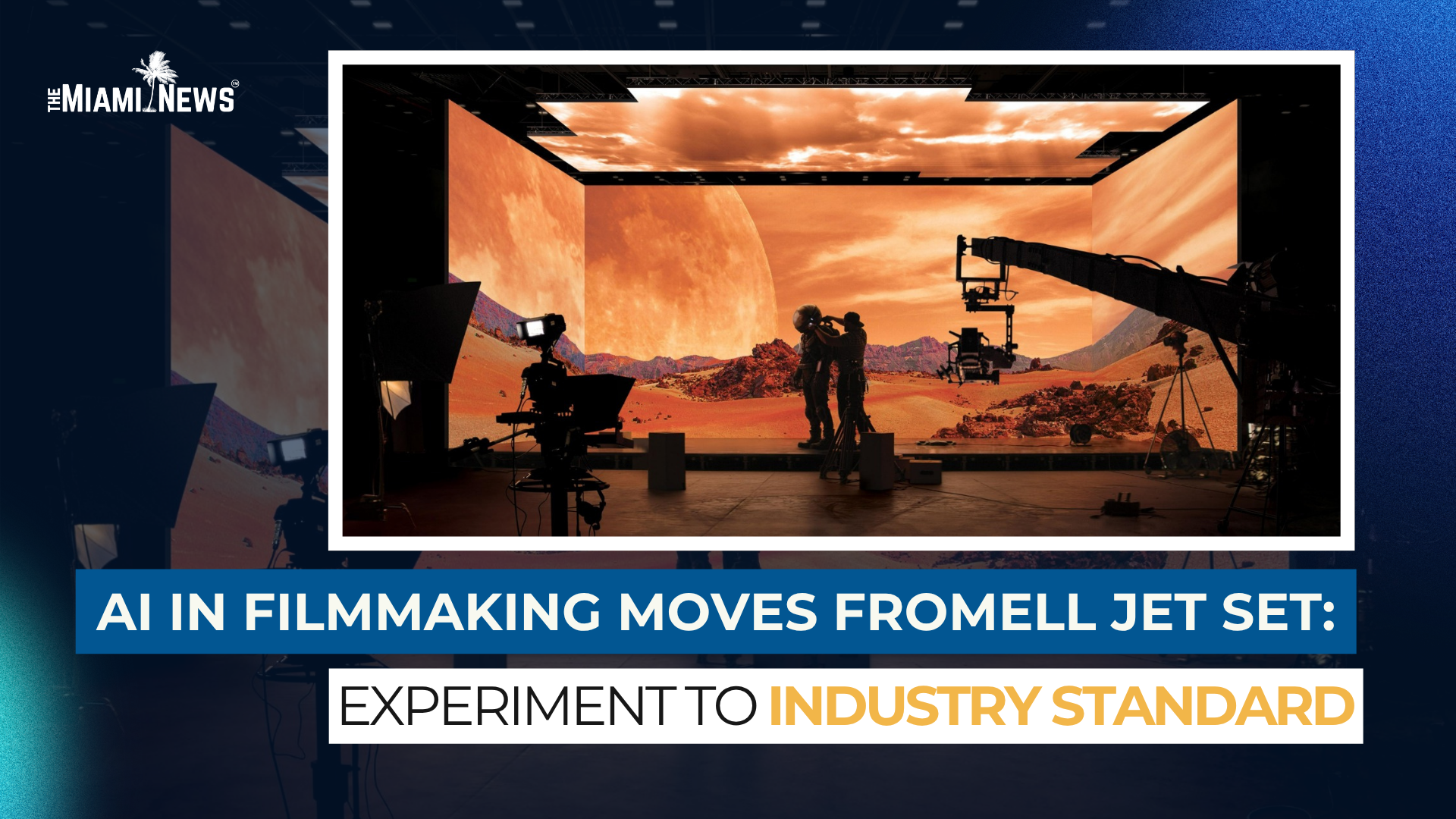
Studios increasingly adopt artificial intelligence tools for production, raising both efficiency gains and creative concerns.
LOS ANGELES, CA — Artificial intelligence has moved beyond novelty in Hollywood, becoming a core tool in film production workflows, from script analysis to visual effects, while reigniting debates over authorship and labor rights.
Major studios and production houses are now integrating AI into multiple stages of filmmaking. Tools capable of generating storyboards, editing rough cuts, and enhancing visual effects have reduced production timelines significantly. Companies like Adobe and emerging AI startups are leading the charge with software tailored for entertainment professionals.
However, the expansion follows the landmark 2023 SAG-AFTRA and Writers Guild of America strikes, which established guardrails on AI usage. Contracts now require consent and compensation for digital likeness replication and restrict AI from replacing credited writers.
“AI is a tool, not a creator,” said a spokesperson from the Writers Guild. “The protections ensure that human storytelling remains central to the industry.”
Financial incentives are driving adoption. According to Deloitte’s 2025 media report, studios can reduce post-production costs by up to 30 percent using AI-assisted workflows. This efficiency is particularly attractive as studios face tightening margins in the streaming era.
Still, concerns persist. Actors have raised alarms about unauthorized digital doubles, while filmmakers worry about homogenization of creative output. Directors such as Christopher Nolan have publicly emphasized the importance of practical filmmaking techniques and human-driven storytelling.
Meanwhile, film schools across the United States are rapidly updating curricula to include AI literacy, signaling a generational shift in how movies will be made.
The integration of AI into Hollywood is no longer a question of if but how. As technology reshapes the filmmaking process, the industry faces a delicate balance between innovation and preserving the artistry that defines cinema.






Be First to Comment