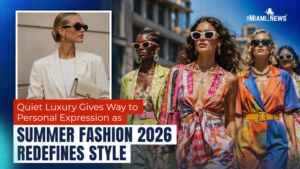
In an era of economic uncertainty and growing environmental awareness, luxury consumers are increasingly choosing craftsmanship, longevity, and sustainability over flashy branding.
Luxury fashion has always been about aspiration.
For decades, status was communicated through recognizable logos, limited-edition handbags, and highly visible designer labels. Yet as fashion enters the second half of the 2020s, a new form of luxury is emerging. One that values discretion, quality, and environmental responsibility.
Industry analysts are calling the movement “conscious luxury.”
Unlike previous trends, conscious luxury focuses less on displaying wealth and more on demonstrating values. Consumers are increasingly asking where products are made, how materials are sourced, and whether garments are designed to last beyond a single season.
Fashion houses have taken notice.
Across Europe and North America, brands are investing in sustainable textiles, circular manufacturing systems, repair programs, and supply chain transparency. Luxury retailers report growing interest in products made from responsibly sourced materials, even when those products command premium prices.
“The modern luxury customer wants a story,” says a fashion consultant based in Milan. “They want to know who made the garment, how it was produced, and what impact it has on the world.”
The trend is particularly pronounced among younger affluent consumers. Millennials and Generation Z shoppers often view sustainability as a marker of sophistication rather than sacrifice. Ownership is becoming less important than intentionality.
This shift is also reshaping design aesthetics. Minimalist silhouettes, neutral palettes, and timeless tailoring continue to dominate runways. Rather than emphasizing seasonal novelty, many brands now promote versatility and longevity.
Some industry observers see conscious luxury as a necessary evolution for fashion. The sector has long faced scrutiny regarding waste, overproduction, and environmental impact. As consumers become more informed, brands that fail to address these concerns risk appearing outdated.
Miami’s luxury market reflects these global changes. Boutique retailers and designers increasingly emphasize craftsmanship and sustainability as key selling points, particularly among international buyers.
The result is a fashion landscape where exclusivity is no longer defined solely by price.
The future of luxury may not be about owning more. It may be about choosing better.