Designers, celebrities and consumers are embracing individuality over trends, signaling a new chapter for the global fashion industry.
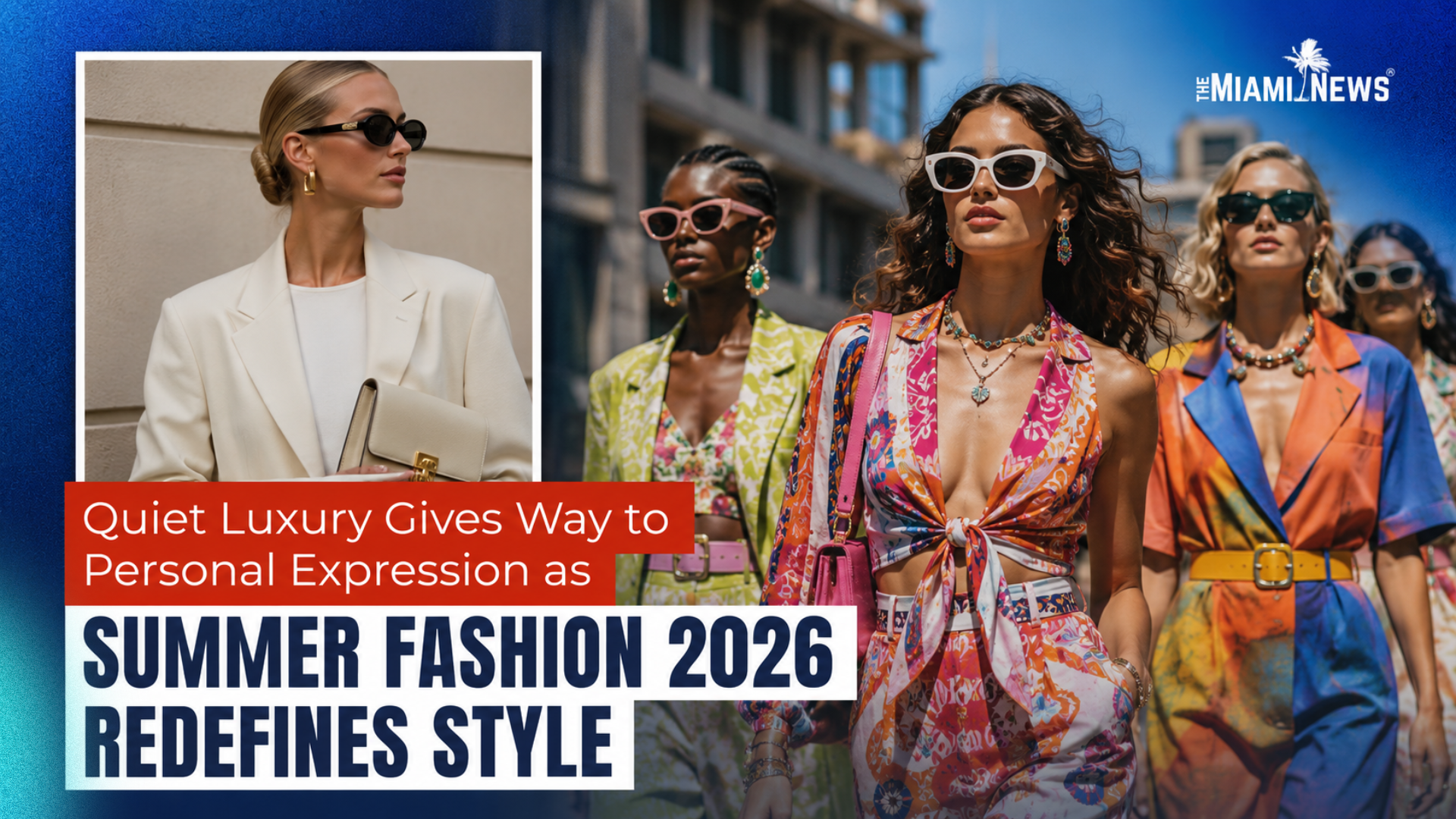
MILAN — For much of the past three years, fashion was dominated by “quiet luxury”—neutral colors, understated tailoring and timeless silhouettes popularized by celebrities, television dramas and social media influencers. But as Summer 2026 unfolds, a new aesthetic is taking center stage. Across fashion capitals from Milan and Paris to New York and London, designers are encouraging consumers to embrace personality over perfection, mixing bold colors, vintage pieces and handcrafted details in ways that celebrate individual identity rather than uniform trends.
Industry insiders say fashion is entering one of its most creatively diverse periods in more than a decade.
The End of One-Size-Fits-All Style
Luxury fashion houses have spent recent seasons moving away from minimalist collections toward garments that emphasize craftsmanship, texture and storytelling. At Milan Fashion Week, designers presented vibrant prints, sculptural tailoring and unexpected fabric combinations, while Paris collections highlighted artisanal embroidery and sustainable materials.
Rather than dictating a single “must-have” item, brands are offering wardrobes designed for personal interpretation.
Fashion editors at publications including Vogue have noted that consumers are increasingly mixing luxury labels with vintage finds, independent designers and secondhand pieces, creating looks that reflect personality rather than status.
“The biggest trend this year is that there isn’t just one trend,” said fashion consultant Isabelle Laurent. “People are becoming more confident in dressing for themselves instead of social media algorithms.”
Celebrity Influence Evolves
Celebrity fashion remains influential, but the relationship between stars and audiences has changed.
Instead of promoting perfectly coordinated designer wardrobes, actors, musicians and athletes are appearing in more relaxed, individualized looks. Red carpet appearances have become opportunities for personal storytelling, with custom garments reflecting cultural heritage, sustainability or emerging designers.
Recent features in Vanity Fair and People have highlighted celebrities who are re-wearing archival couture, collaborating with independent artisans and supporting environmentally responsible fashion labels.
This shift resonates particularly with younger audiences, who increasingly value originality over exclusivity.
Social media platforms have amplified this movement. Rather than aspiring to replicate celebrity outfits exactly, users are adapting inspiration to suit their own tastes, budgets and lifestyles.
Sustainability Moves From Trend to Expectation
Environmental concerns continue to reshape consumer behavior.
Fashion remains one of the world’s most resource-intensive industries, and shoppers are demanding greater transparency regarding sourcing, manufacturing and labor practices.
Many brands now provide detailed information about recycled materials, supply chain emissions and garment durability. Luxury companies are expanding repair services, resale platforms and circular fashion initiatives designed to extend product life.
Meanwhile, resale marketplaces continue to experience strong growth as consumers seek high-quality pieces without contributing to overproduction.
“Buying fewer, better garments is becoming both a financial and environmental decision,” said retail analyst Marcus Chen. “Consumers want clothes that last beyond a single season.”
Independent designers are also benefiting from growing interest in handcrafted products made in smaller quantities, offering alternatives to fast fashion’s rapid production cycle.
Miami’s Fashion Identity Continues to Grow
Miami has emerged as one of America’s most distinctive style capitals, blending Latin American influences, resort wear and contemporary luxury.
Local designers are increasingly gaining international recognition for collections that embrace vibrant colors, lightweight fabrics and climate-conscious design. Swimwear remains a cornerstone of the city’s fashion economy, but Miami’s influence now extends into ready-to-wear, accessories and sustainable design.
Fashion events throughout South Florida continue to attract buyers, influencers and international media, reinforcing Miami’s reputation as a creative hub connecting North America, Latin America and the Caribbean.
Retailers report growing demand for versatile clothing that transitions seamlessly between professional settings, travel and outdoor lifestyles—a reflection of changing work patterns and consumer priorities.
“Miami has always celebrated individuality,” said designer Elena Rodriguez. “What we’re seeing globally now is something this city has embraced for years: confidence, creativity and cultural diversity.”
Technology and Fashion Find Common Ground
Artificial intelligence is also beginning to influence fashion in new ways.
Retailers are using AI-powered tools to recommend personalized styling, predict inventory demand and reduce waste through more accurate production planning. Virtual fitting technologies continue to improve, helping shoppers visualize garments before making purchases online.
However, industry leaders emphasize that technology should enhance creativity rather than replace it.
Designers argue that craftsmanship, emotional storytelling and human artistry remain at the heart of luxury fashion, even as digital innovation becomes increasingly sophisticated.
Consumers appear to agree. Surveys indicate that while shoppers appreciate technological convenience, they continue to value authenticity, originality and emotional connection when making purchasing decisions.
Looking Ahead
Summer 2026 marks more than a seasonal shift in fashion—it reflects changing cultural attitudes toward identity, creativity and consumption.
Instead of following rigid trends, consumers are assembling wardrobes that tell personal stories. Sustainability is becoming standard practice rather than a marketing slogan, while technology is quietly supporting a more personalized shopping experience.
For an industry often criticized for promoting conformity, fashion’s newest direction feels refreshingly individual.
The message emerging from runways around the world is clear: style is no longer about fitting into a trend. It is about expressing who you are.
Sidebar | Summer Fashion 2026 Trends
- Personal expression replaces rigid seasonal trends.
- Vintage and resale fashion continue to grow in popularity.
- Sustainable materials and transparent supply chains influence purchasing decisions.
- Independent designers gain visibility alongside established luxury brands.
- AI-powered personalization is reshaping online shopping experiences.