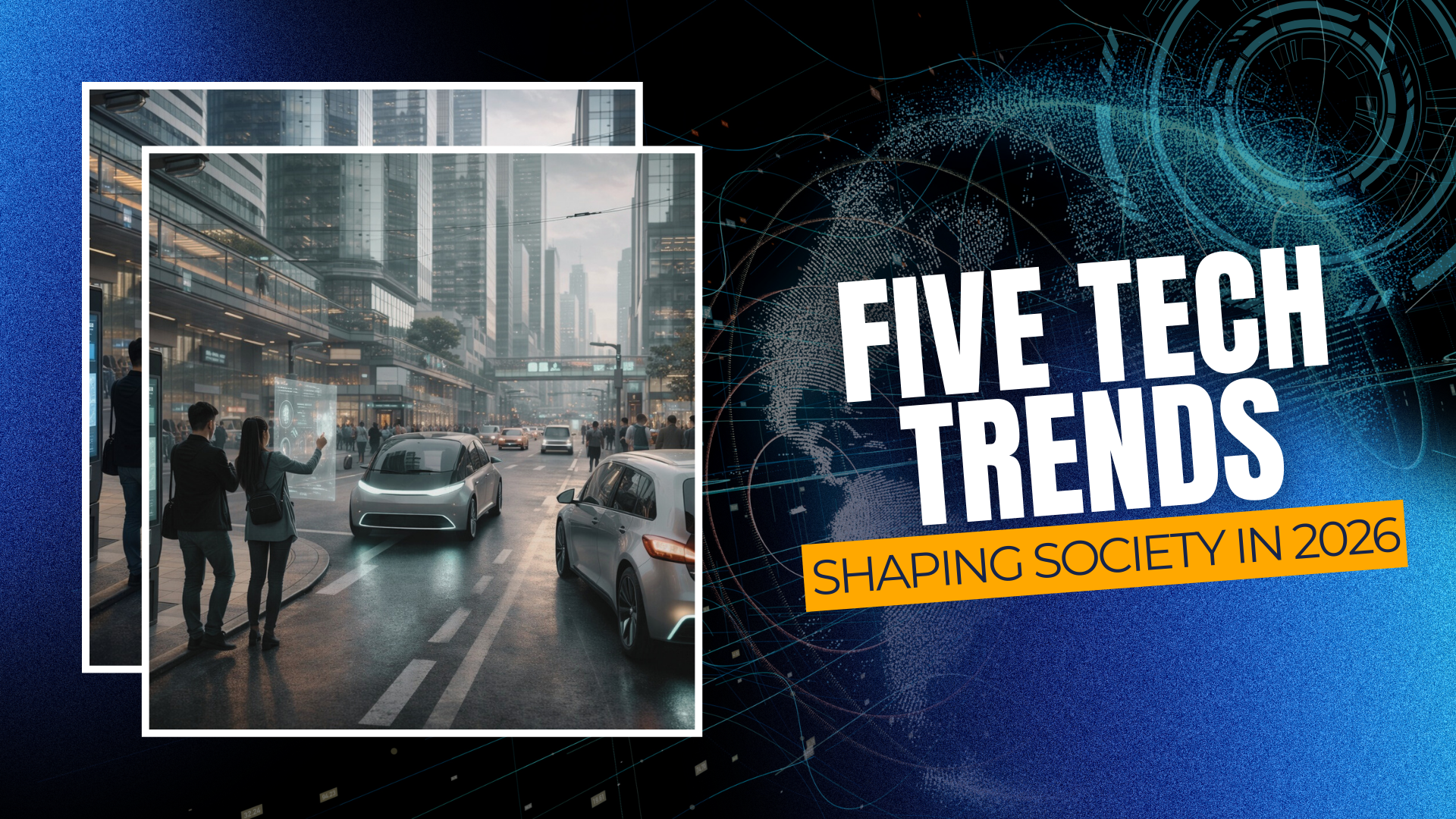
From ambient artificial intelligence to decentralized digital identity systems, the defining technology trends of 2026 are reshaping industries, consumer behavior, and the way people interact with the world around them.
According to recent reports from Deloitte Insights and major technology analysts, the most influential innovations of 2026 are not simply new gadgets or applications. They are interconnected systems transforming communication, infrastructure, privacy, and human behavior on a global scale.
One of the most significant developments is the rise of ambient AI. Unlike earlier systems that relied on direct commands, ambient artificial intelligence operates quietly in the background, learning from gestures, speech patterns, routines, and environmental signals to anticipate user needs. Smart homes, connected vehicles, and wearable devices are increasingly powered by these adaptive systems.
Edge computing is another rapidly expanding trend. Instead of sending all information to cloud servers, devices are now capable of processing complex AI tasks locally. Smartphones, cameras, medical equipment, and industrial tools can analyze data in real time with reduced latency and stronger privacy protections.
Sustainability is also becoming central to technology infrastructure. As artificial intelligence systems demand greater computing power, major companies are investing heavily in energy efficient chips, carbon neutral data centers, and water saving cooling technologies. Environmental accountability is emerging as a competitive advantage within the technology sector.
Digital identity and verification systems are evolving in response to rising concerns about fraud and cybersecurity. Governments and private firms are testing biometric authentication platforms and decentralized identity solutions that allow users greater control over how their personal information is stored and shared online.
At the same time, the conversation surrounding automation is shifting toward collaboration between humans and machines. AI tools are increasingly being used to support creativity, productivity, and decision making rather than simply replace workers. In industries such as journalism, healthcare, architecture, and education, professionals are learning to work alongside intelligent systems as collaborative partners.
“Technology in 2026 is not just about capability,” said Dr. Leila Rowe, a digital ethicist at MIT. “It is about understanding the social and ethical consequences of embedding these systems into everyday life.”
The technology trends shaping 2026 may appear subtle on the surface, but their long term impact is profound. As AI, connectivity, sustainability, and digital identity become woven into daily routines, society is entering a new era where technology is no longer separate from life itself.






Be First to Comment