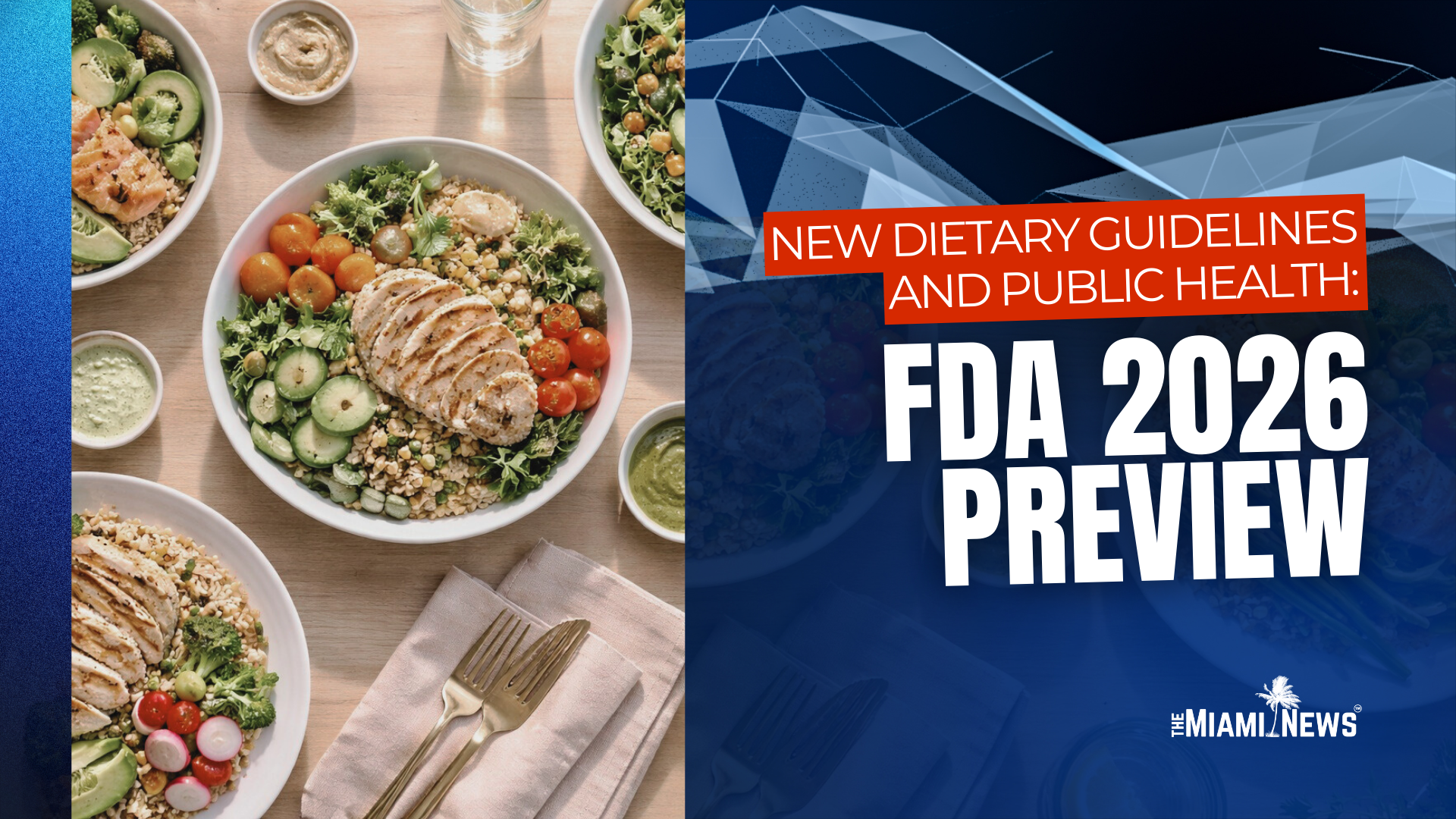
The U.S. Food and Drug Administration is preparing to release its updated Dietary Guidelines for Americans later this year, but a preview report issued in late 2025 is already sparking debate across the food, healthcare, and policy sectors about how Americans should eat and who gets to shape those decisions.
For the first time, the FDA is expected to incorporate sustainability and environmental impact into its nutrition recommendations alongside traditional health metrics. This means consumers may see stronger encouragement to reduce red meat, ultra processed foods, and added sugars not only for personal wellness, but also for climate related concerns.
“The science is clear. Our diets are connected to our ecosystems,” said Dr. Alina Foster, a policy advisor to the Dietary Guidelines Advisory Committee. “We can no longer separate nutrition from sustainability.”
The preview also signals a larger role for plant based proteins, fermented foods, and Mediterranean inspired eating patterns, all of which continue to rank highly in studies on longevity and cardiovascular health. Federal nutrition guidance is also becoming more culturally inclusive, acknowledging traditional food practices from Indigenous, African, Asian, and Latin American communities.
Food industry groups are already pushing back. Representatives from the beef, dairy, and processed food industries argue that the proposed recommendations could unfairly stigmatize key agricultural sectors and confuse consumers. Public health advocates, however, are calling for stronger food labeling standards, school lunch reforms, and expanded access to fresh produce in underserved communities.
The new guidelines are expected to influence everything from school meal programs and military food services to food stamp initiatives and hospital cafeterias. They also shape national nutrition education campaigns and healthcare policy recommendations.
In a country where diet related illnesses contribute to nearly one in five deaths, the stakes are significant. As the FDA prepares to finalize its 2026 Dietary Guidelines, the national conversation is shifting beyond calories and food groups toward larger questions about equity, sustainability, and the future of public health.




Be First to Comment