
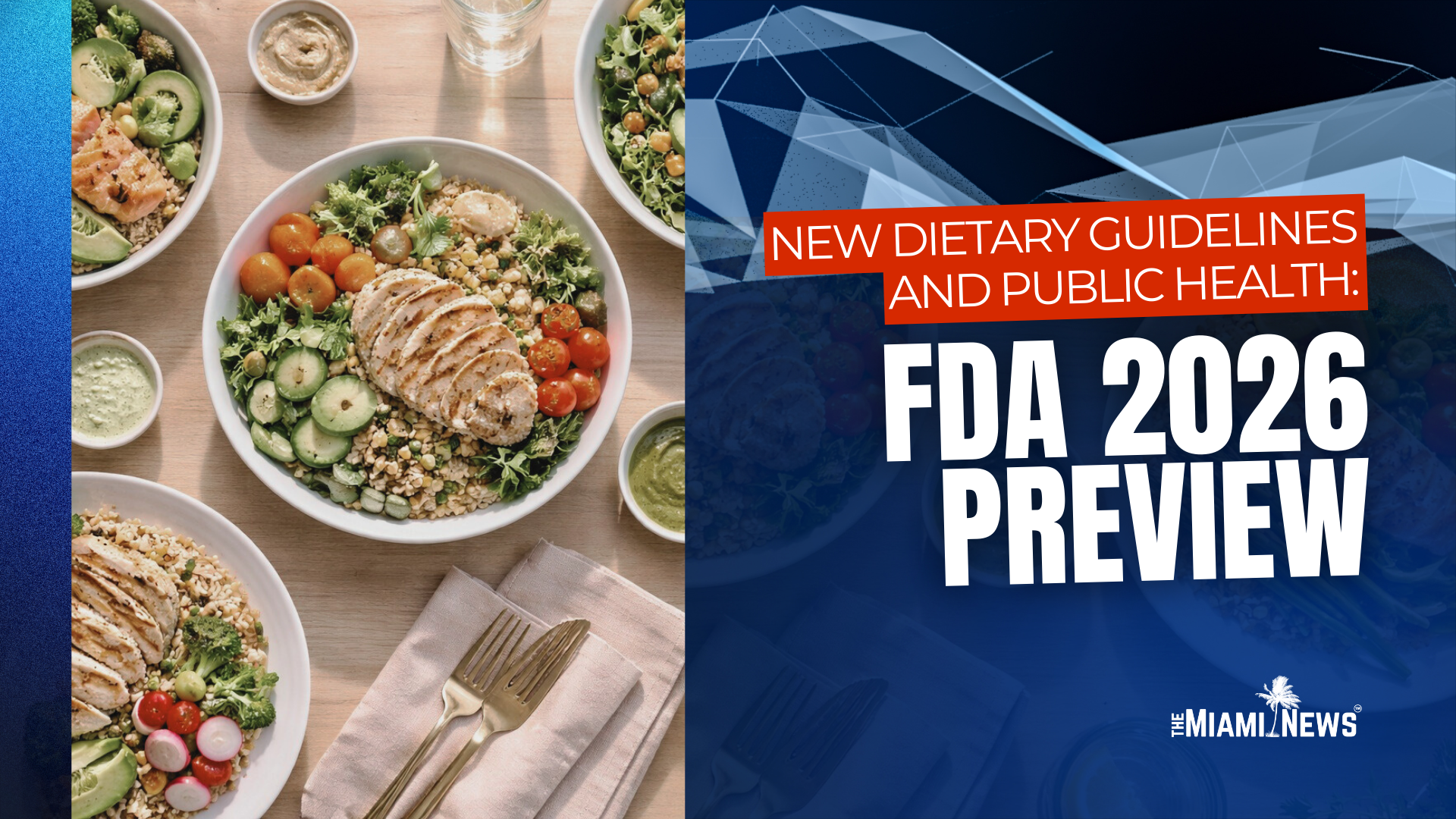
The U.S. Food and Drug Administration (FDA) is preparing to release its updated Dietary Guidelines for Americans later this year. But a preview report released in late 2025 is already stirring debates across food, healthcare, and policy sectors about how Americans should eat—and who gets to decide.
For the first time, the FDA is expected to incorporate recommendations based on sustainability and environmental impact alongside traditional health metrics. This means consumers may see more encouragement to reduce red meat, ultra-processed foods, and added sugars not only for personal health, but for climate goals as well.
“The science is clear. Our diets are connected to our ecosystems,” said Dr. Alina Foster, a policy advisor to the Dietary Guidelines Advisory Committee. “We can no longer separate nutrition from sustainability.”
The preview suggests a larger role for plant-based proteins, fermented foods, and Mediterranean-style eating patterns, which have consistently ranked high for longevity and heart health. It also supports cultural flexibility, recognizing traditional dietary practices among Indigenous, African, and Asian American communities as nutritionally valid and worthy of inclusion in federal messaging.
Food industry groups are already lobbying for changes. Beef, dairy, and processed food associations argue that the guidelines could unfairly stigmatize key U.S. agricultural sectors and confuse consumers. Meanwhile, public health advocates are pushing for clearer labels, school lunch reforms, and incentives for fresh produce access in underserved areas.
The new guidelines are expected to influence everything from school meals and military rations to food stamp programs and hospital cafeterias. They also serve as a foundation for nutrition education, insurance incentives, and food marketing regulations.
In a country where diet-related illness accounts for nearly one in five deaths, the stakes are high. As the FDA prepares to finalize its 2026 Dietary Guidelines, the conversation is no longer just about food groups. It’s about the intersection of health, equity, and the environment on every plate.




Be First to Comment