
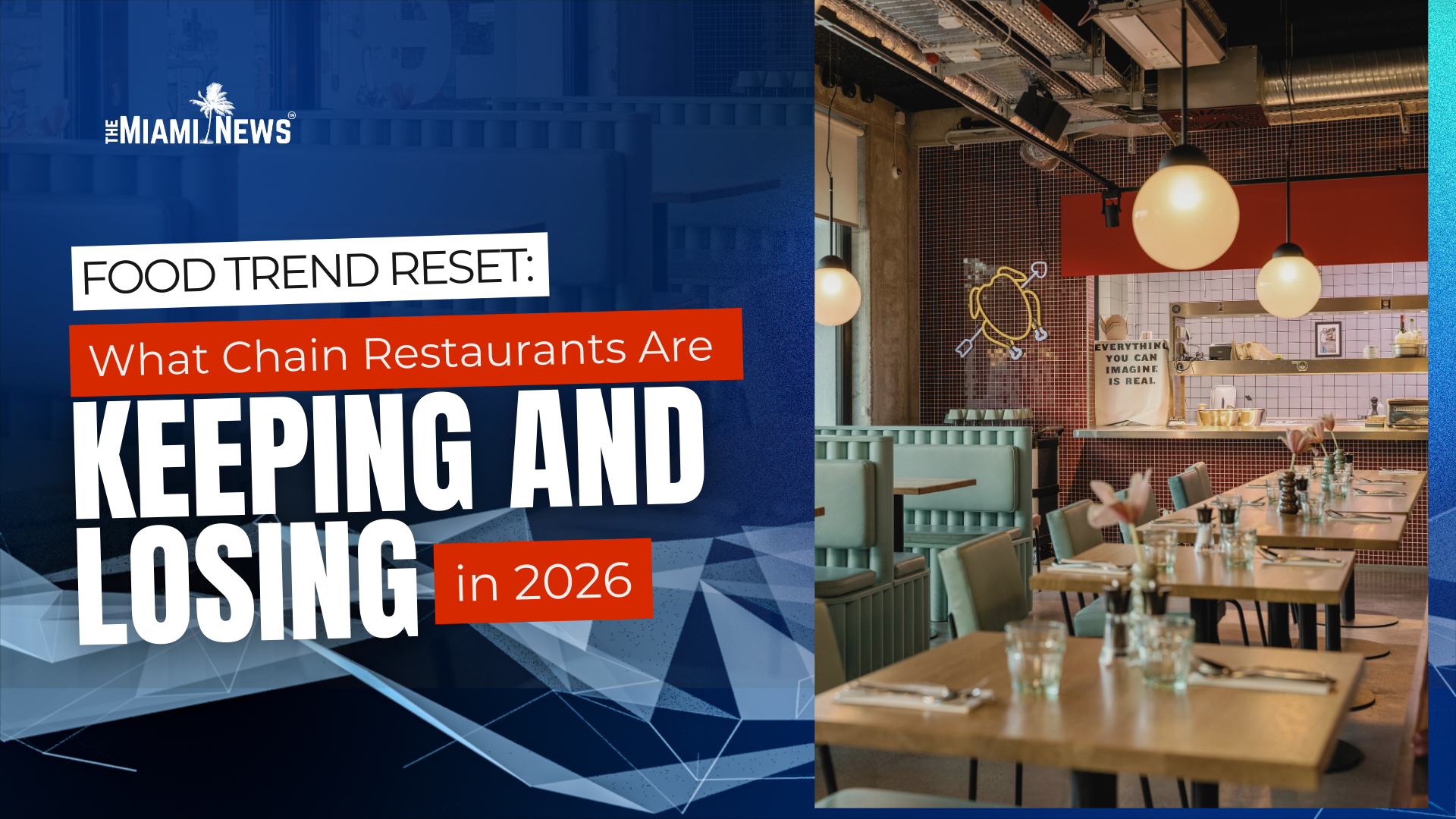
As consumer habits evolve and economic pressures mount, major food chains are rethinking their playbooks in 2026, streamlining menus, dropping pandemic-era gimmicks, and returning to core flavors with a twist.
After years of experimentation brought on by delivery apps, ghost kitchens, and novelty mashups, U.S. restaurant chains are simplifying their strategies. According to data from Black Box Intelligence, fast-casual and QSR brands saw a 9 percent decrease in operational efficiency in 2025 due to bloated menus and labor-intensive limited-time offers.
In 2026, the pendulum is swinging back toward streamlined operations and customer familiarity. Out: celebrity meal collaborations, overloaded menus, and extreme food fusions. In: updated classics, smaller portions, and health-conscious remixes of fan favorites. “Chains are finally cutting through the clutter,” said Jenna Morales, a trend analyst at Food Forward Insights. “What we’re seeing now is a focus on flavor, function, and operational flow.”
For example, Chipotle has cut down on new protein trials and instead launched a global seasoning rotation. Starbucks is reducing sugar-heavy drink offerings while adding more plant-based, functional beverages with adaptogens and probiotics. McDonald’s is doubling down on regional sourcing and packaging sustainability.
Customers are also driving the shift. Surveys show that 64 percent of millennials and Gen Z consumers prefer menus that are easy to navigate and locally adapted. Loyalty app data is steering what gets promoted or cut, with brands relying on real-time analytics to shape offerings in near-instant cycles.
Meanwhile, some pandemic-era innovations like drive-thru lanes for mobile orders, QR-code menus, and bundled family meals are staying put, proven to enhance efficiency and convenience.
In 2026, the most successful chains aren’t chasing virality. They’re focused on consistency, health, sustainability, and digital agility. The reset is less about reinvention and more about listening to both data and diners.






Be First to Comment