
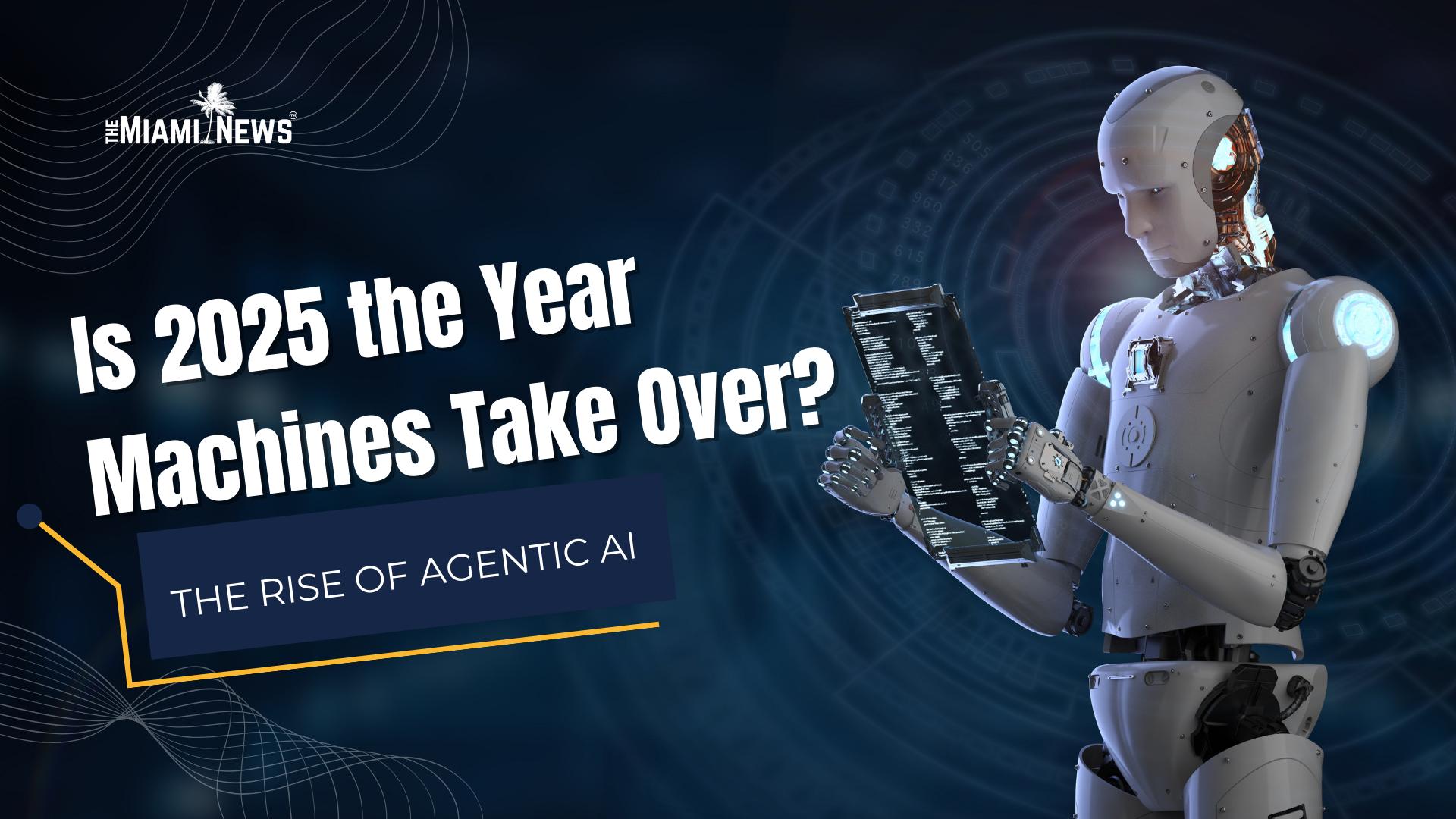
If 2025 proves anything, it is that artificial intelligence is no longer just following orders. A new generation of “agentic AI” systems is transforming industries, workflows and what we thought machines could do.
Agentic AI refers to artificial intelligence that acts independently. These systems make decisions, carry out complex tasks and adapt without constant human instruction.
In industry after industry, companies are deploying AI agents to automate code reviews, resolve IT issues, respond to customers and even analyze data. These agents are not just tools; they are digital workers.
Critics, however, warn that giving AI more autonomy introduces serious risks. Concerns include job loss, embedded bias and a lack of accountability. A Gartner forecast expects over 40 percent of current agentic AI projects to be scrapped by 2027 due to cost, performance or ethical concerns.
Even so, investment in AI shows no signs of slowing. Experts project a surge in AI-related spending, with agentic systems playing a major role.
Governments and tech companies are now racing to define the rules. New proposals in the U.S. and EU aim to regulate how autonomous AI can be deployed, with a focus on transparency, security and human oversight. The outcome of those debates could shape how agentic AI is used for years to come.
Whether you welcome them or not, agentic AI systems are changing how we work. This may be the year machines stop waiting for instructions and start taking control.





Be First to Comment