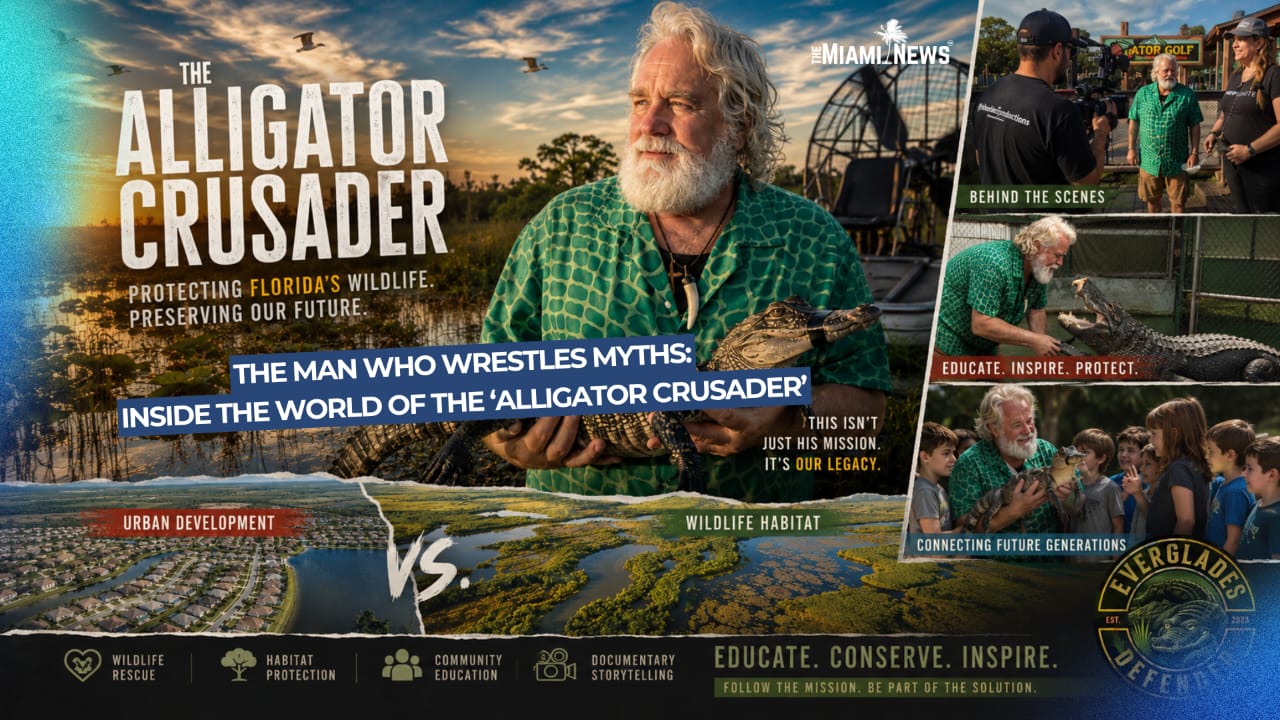
VIP Ignite Sits Down With Mike Womer, Florida’s Viral Wildlife Personality for an Exclusive Interview Feature
In the wetlands and suburban canals of South Florida, where alligators routinely appear in golf courses, swimming pools, and neighborhood parks, one man has become an unlikely local icon. Known online and across Florida communities as the “Alligator Crusader,” wildlife rescuer and educator Mike Womer has built a reputation not only for handling dangerous reptiles, but also for changing the public perception surrounding them.
Recently, the Alligator Crusader sat down with VIP Ignite for an exclusive interview spotlighting his work, growing public profile, and mission to educate audiences about wildlife conservation and human-animal coexistence.
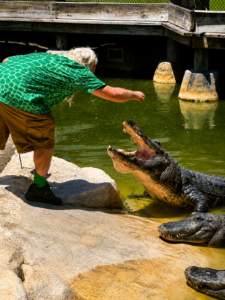
During the interview, Womer discussed the realities of working with alligators across Florida’s swamps, conservation areas, and urban waterways, while reflecting on the growing intersection between wildlife preservation, public fear, social media fame, and environmental responsibility. Beyond the spectacle of wrestling reptiles or removing alligators from residential neighborhoods, the conversation explored a broader question: how do humans coexist with predators in an increasingly crowded world?
“People see an alligator and immediately think danger,” Womer says early in the documentary. “What I see is an animal trying to survive in an environment humans continue to shrink.”
The statement serves as the emotional and thematic anchor of the project.
From Viral Videos to Conservation Advocacy
Womer first gained widespread attention through social media videos that showcased his calm, almost conversational interactions with alligators. While many wildlife personalities lean heavily into shock value, the interview presents him differently – as a translator between people and predators.
According to producers involved with VIP Ignite, the decision to profile Womer came after recognizing how his online content consistently blended entertainment with education.
“Mike has a unique ability to hold people’s attention while teaching them something meaningful,” says one of the feature’s producers. “The internet often rewards chaos and fear, but he’s built a following around respect for wildlife.”
In the interview, Womer reflected on his early fascination with reptiles, his training in wildlife handling, and the emotional realities behind rescue operations. In one sequence, cameras follow him responding to calls from anxious homeowners who discover large alligators near children’s play areas or backyard pools.
What emerges is not a portrait of a thrill-seeker, but of a professional navigating the difficult balance between public safety and animal welfare.
Florida’s alligator population is estimated to exceed 1.3 million, according to state wildlife officials. As rapid development pushes deeper into wetlands and marshlands, encounters between humans and reptiles have become increasingly common. The documentary uses these statistics to frame Womer’s work within a larger environmental narrative.
Rather than depicting alligators as monsters, the interview highlighted them as symbols of ecological imbalance and changing environmental conditions.
The Business of Fear and Education
One of the more compelling topics discussed during the interview was the commercialization of wildlife content in the social media era.
Platforms like TikTok, Instagram, and YouTube have transformed animal handling into a form of digital entertainment. Viral videos featuring dangerous encounters routinely generate millions of views, sponsorships, and brand opportunities.
The interview also explored whether online fame helps or harms conservation efforts.
“There’s always pressure to make things bigger and more dramatic,” Womer says during an interview segment. “But if people leave thinking wildlife exists only for entertainment, then we’ve failed.”
The interview contrasted sensational online clips with more reflective conversations – including scenes where Womer explains reptile behavior to children during educational events.

Environmental experts discussed during the interview noted that misinformation surrounding predators often leads to unnecessary fear and panic.
“Fear is profitable,” one conservation biologist says in the film. “Education is harder. It takes patience.”
That tension became central to the interview’s broader message.
A Florida Story With Global Relevance
Although rooted deeply in South Florida culture, the interview expanded its lens beyond the region.
Wildlife conflict is becoming a global issue as urban populations continue expanding into natural habitats. From crocodiles in Southeast Asia to bears in North America and monkeys in parts of Africa and India, human-animal interaction is increasingly shaping environmental policy and public discourse.
By focusing on alligators – creatures often portrayed in American culture as primitive threats – VIP Ignite taps into universal themes surrounding coexistence, fear, and environmental stewardship.
The conversation also highlighted how younger audiences are engaging differently with conservation issues.
Social media has created a generation that experiences wildlife primarily through screens, often detached from ecosystems themselves. Producers say Womer’s appeal comes partly from his ability to bridge entertainment culture with ecological awareness.
“He understands the language of the internet,” says one production team member. “But he also understands the responsibility that comes with influence.”
That duality has helped transform him from a niche wildlife handler into a recognizable public figure.
Inside the VIP Ignite Interview Experience
The VIP Ignite team met with Womer to capture an in-depth conversation about his experiences handling wildlife, educating the public, and navigating viral internet fame.
The interview setting reflected Florida’s unique wildlife culture, with conversations centered around conservation, public education, and the changing relationship between humans and predators in rapidly developing areas.
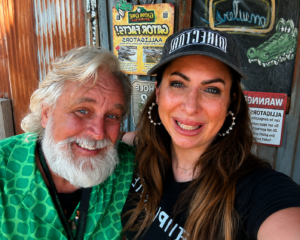
Producers described the feature as a human-interest spotlight focused on identity, purpose, and conservation awareness.
“Mike represents a type of modern conservationist that didn’t exist twenty years ago,” one editor explains. “He’s part educator, part media personality, part environmental advocate.”
The interview also touched on the emotional toll of wildlife work.
In several candid moments, Womer reflects on public backlash, online criticism, and the psychological burden of dealing with injured animals or high-risk encounters.
“There’s this perception that being fearless means you don’t feel pressure,” he says in one interview. “The truth is, respect for these animals comes from understanding exactly what they’re capable of.”
That honesty gave the conversation emotional depth beyond its action-driven subject matter.
A New Era of Conservation Conversations
As digital interviews and personality-driven media continue dominating online platforms, conversations centered around charismatic public figures have become powerful vehicles for environmental awareness.
Unlike traditional wildlife programming that positions nature as distant and untouched, the VIP Ignite interview framed conservation as urban, immediate, and deeply personal.
The alligators discussed throughout the interview are not hidden deep in remote jungles. They appear beside shopping centers, suburban neighborhoods, highways, and school zones – reminders that modern environmental challenges are unfolding directly alongside everyday life.
For Womer, the mission is ultimately about changing perception.
“If people understand an animal,” he says near the documentary’s conclusion, “they’re less likely to destroy it.”
That philosophy resonated throughout the interview and may explain why audiences continue gravitating toward figures like the Alligator Crusader.
In an age driven by outrage, spectacle, and rapid consumption, the interview offered something more nuanced: a conversation about coexistence, responsibility, and the fragile relationship between humans and the wild spaces they continue to reshape.
Sidebar: Key Facts About the VIP Ignite Interview
Feature: VIP Ignite Interview With the Alligator Crusader
- Focus: Wildlife conservation, reptile education, and human-animal coexistence
- Primary Subject: Mike Womer, wildlife handler and conservation advocate
- Location: South Florida wetlands and suburban communities
- Themes Explored:
- Wildlife conservation
- Social media influence
- Human-wildlife conflict
- Environmental education
- Modern conservation storytelling
- Format: Exclusive interview feature with conservation and lifestyle themes





Be First to Comment