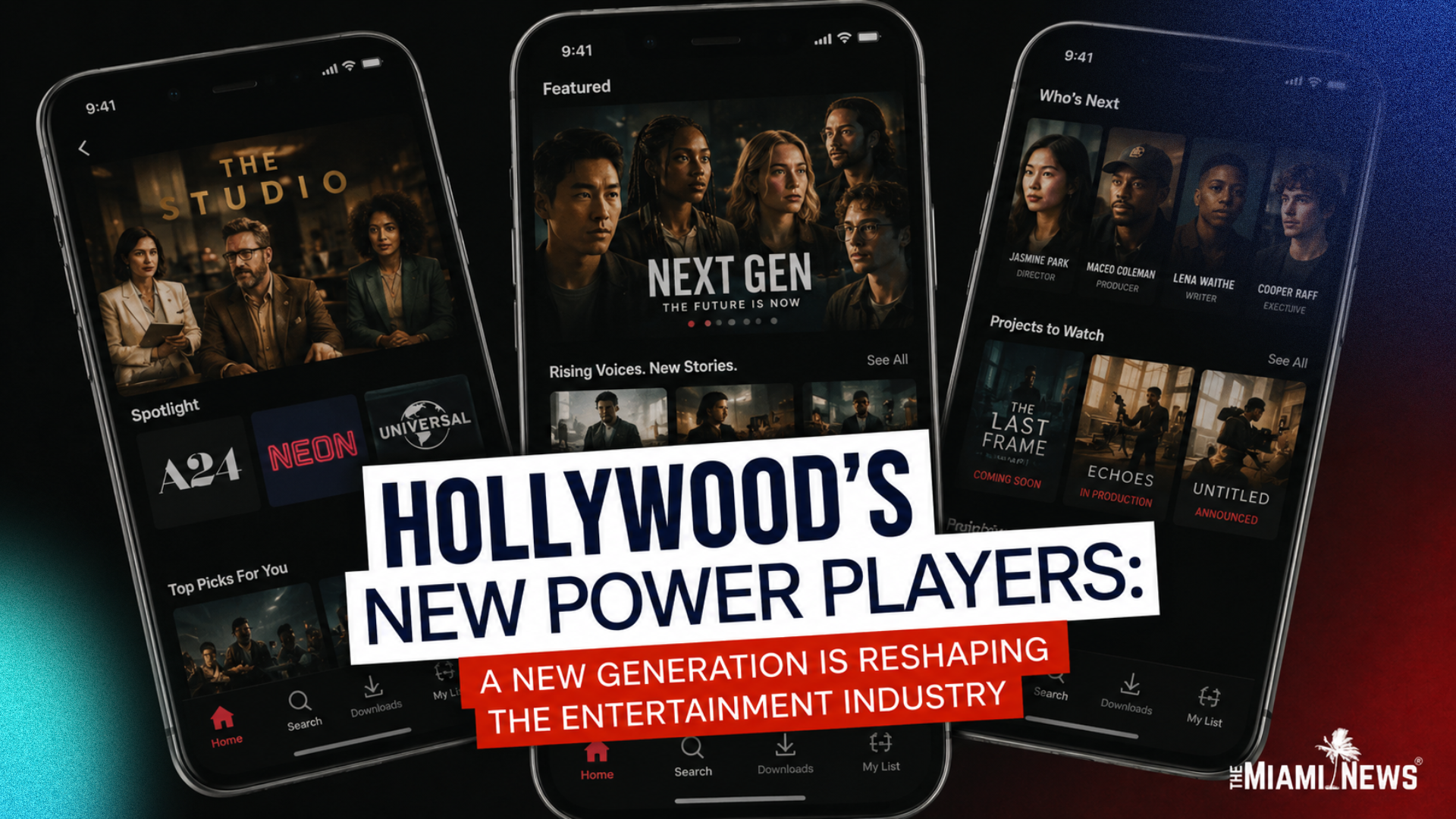
As streaming matures, theatrical releases rebound and legacy families share the spotlight with emerging talent, Hollywood enters one of its most transformative eras.
LOS ANGELES — Hollywood has always reinvented itself, but the entertainment industry of 2026 is undergoing one of its most significant transitions in decades. Streaming platforms are refining their business models, movie studios are placing renewed emphasis on theatrical releases, and a new generation of actors, filmmakers and creators is redefining what it means to be a global star. At the same time, celebrity culture is evolving, with audiences placing greater value on authenticity, creative independence and direct engagement through digital platforms.
Industry executives say the era of chasing subscriber growth at any cost has given way to a more balanced strategy focused on profitability, quality storytelling and sustainable production.
Streaming Grows Up
The streaming wars that dominated the early 2020s have entered a more mature phase.
Major platforms including Netflix, Disney+, Max and Prime Video continue to compete aggressively, but the emphasis has shifted from producing the largest volume of content to investing in projects with lasting cultural and commercial impact.
Studios are becoming increasingly selective, prioritizing franchise films, prestige television and internationally appealing productions while reducing spending on mid-budget projects that struggle to find large audiences.
Entertainment analysts note that viewers have also become more discerning.
“Consumers are no longer subscribing simply because a platform releases hundreds of titles,” said media analyst Rebecca Collins. “They’re choosing services based on consistent quality, exclusive programming and value.”
This evolution has encouraged streaming companies to experiment with advertising-supported subscription tiers, live sports programming and partnerships with traditional media companies, creating a more diversified business model.
The Return of the Big Screen
Despite predictions that streaming would permanently dominate the industry, movie theaters are experiencing renewed momentum.
Studios have found that major event films continue to attract audiences seeking shared experiences that cannot be replicated at home. Family films, action franchises and premium-format releases have performed particularly well, while independent cinemas are finding success through curated programming, international films and community events.
Hollywood executives increasingly view theatrical releases not as competitors to streaming but as complementary parts of a film’s lifecycle.
“A successful theatrical run creates excitement that extends to streaming,” Collins explained. “The two distribution models now work together rather than against one another.”
This hybrid strategy has also helped restore confidence among filmmakers who continue to view cinema as an essential artistic experience.
A New Generation Takes Center Stage
One of Hollywood’s defining stories in 2026 is the emergence of a new wave of talent.
Young actors, directors and screenwriters are earning acclaim for projects that blend commercial appeal with original storytelling. Many have built loyal audiences through independent films, streaming series or social media before transitioning into mainstream productions.
At the same time, children of established actors, musicians and filmmakers continue to attract attention as they launch careers of their own. While discussions surrounding “nepo babies” persist, audiences appear increasingly willing to judge performers on the quality of their work rather than their family backgrounds alone.
Coverage in publications such as Vanity Fair, People and Vogue has reflected this broader shift, focusing less on celebrity gossip and more on creative achievement, entrepreneurship and philanthropy.
Industry observers say today’s stars are expected to be more than performers. They are also producers, business founders, advocates and digital creators who cultivate direct relationships with fans.
Diversity Becomes Business Strategy
Hollywood’s commitment to diversity has continued to expand beyond casting decisions.
Studios are investing in storytellers from a wider range of cultural, geographic and linguistic backgrounds, recognizing that international audiences increasingly drive global box office revenue and streaming success.
Productions originating in South Korea, India, Latin America and Africa have demonstrated that compelling stories can resonate worldwide without being adapted to traditional Hollywood formulas.
This globalization has encouraged studios to pursue international co-productions and multilingual releases, creating opportunities for emerging creative talent across multiple markets.
“Audiences want stories that feel authentic,” said producer Luis Hernandez. “Global entertainment isn’t about exporting one culture anymore—it’s about sharing many perspectives.”
Miami’s Expanding Role in Entertainment
Miami continues to strengthen its position as a destination for film, television and digital media production.
The city’s diverse neighborhoods, international connections and growing creative economy have attracted filmmakers seeking distinctive locations and multicultural storytelling. Music videos, streaming productions, documentaries and independent films are increasingly choosing South Florida as both a backdrop and production base.
Local officials are also working to expand incentives for film production, recognizing the industry’s ability to generate employment, tourism and international visibility.
Beyond traditional filmmaking, Miami has become a hub for creators producing digital-first content across platforms including YouTube, TikTok and podcast networks.
This convergence of entertainment, technology and entrepreneurship reflects broader changes in how audiences discover and consume media.
Looking Ahead
Hollywood’s future will likely be defined not by one platform or business model, but by adaptability.
The industry’s next generation of leaders understands that success depends on balancing artistic ambition with financial discipline, embracing global audiences while preserving creative authenticity and leveraging technology without losing sight of storytelling.
For viewers, the result is a more diverse, innovative and competitive entertainment landscape than ever before.
Whether experienced in a movie theater, on a streaming platform or through a creator’s own digital channel, great storytelling remains Hollywood’s most valuable currency. In 2026, that timeless truth continues to unite an industry in the midst of profound transformation.
Sidebar | Hollywood in 2026
- Streaming platforms are prioritizing profitability over rapid subscriber growth.
- Theatrical releases continue to drive major box office successes.
- Global productions are expanding Hollywood’s creative landscape.
- Celebrity influence increasingly extends into business, fashion and philanthropy.
- Miami continues to attract film, television and digital media production.