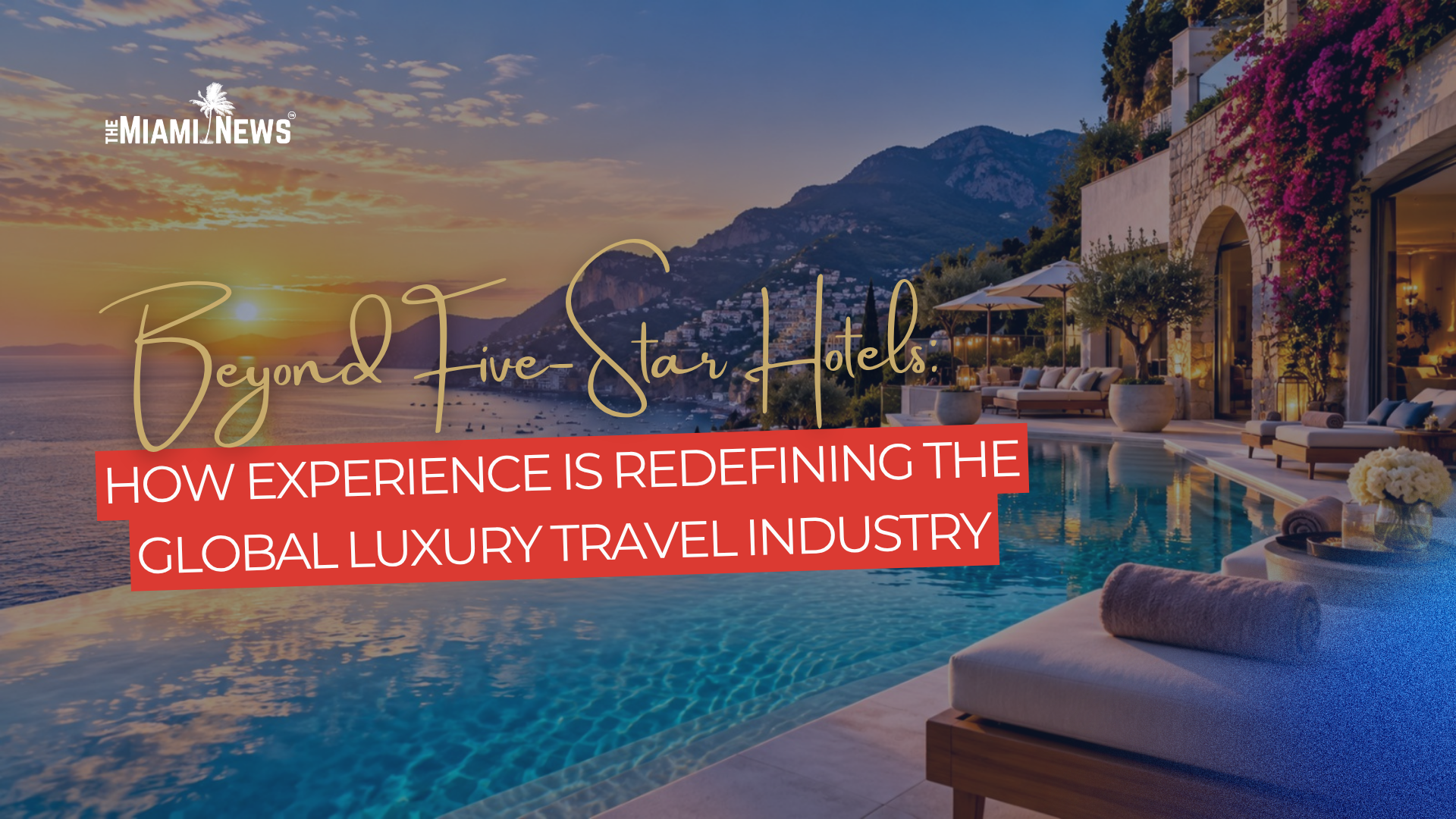
From private cultural experiences to personalized wellness retreats, affluent travelers are reconsidering what makes a journey truly extraordinary.
For decades, luxury travel was defined by visible extravagance: prestigious hotels, private transportation, exclusive resorts and access to destinations beyond the reach of ordinary tourists. Those features remain important, but the industry is confronting a broader transformation. As international travel expands, the meaning of exclusivity is increasingly connected to personal attention, cultural access, privacy and the quality of time spent away from home.
The shift is unfolding against a backdrop of substantial global demand.
According to UN Tourism, international tourist arrivals reached approximately 1.52 billion in 2025, an increase of 4% over the previous year. The figures reflected continued demand for travel despite elevated service prices and geopolitical uncertainty.
For the luxury segment, growing demand creates both commercial opportunity and a strategic problem: when more people can purchase expensive accommodation, high prices alone become a less convincing measure of distinction.
A different definition of exclusivity
A private tour led by a respected historian, a carefully organized culinary experience or a secluded retreat designed around individual interests can provide something that conventional luxury purchases cannot easily replicate.
These experiences offer personal relevance.
Rather than evaluating a holiday solely by the reputation of a hotel, travelers may consider whether a journey provides access to meaningful encounters, specialized knowledge or a stronger connection to a destination.
This does not mean traditional luxury is disappearing. Premium hospitality continues to depend on exceptional service, comfort, security and attention to detail.
What is changing is the relationship between those services and the overall purpose of travel.
An elegant property may serve as the foundation of a journey rather than its principal attraction.
The rise of personalized hospitality
Technology is creating new possibilities for personalization.
Hotels and travel companies can use customer preferences, booking histories and digital concierge systems to anticipate requests and coordinate complicated itineraries.
For travelers, that might mean dietary requirements addressed before arrival, transportation arranged around individual schedules or cultural activities selected according to personal interests.
However, personalization introduces a delicate trade-off.
The more information a hospitality provider collects, the greater its responsibility to protect privacy. Affluent travelers who value discretion may be particularly sensitive to how personal preferences and travel histories are stored or shared.
The most sophisticated hospitality operators will need to combine digital convenience with human judgment and confidentiality.
A well-trained concierge who understands a guest’s needs remains difficult to replace with software alone.
Miami’s place in the global market
Miami occupies a distinctive position within international luxury travel.
Its combination of coastal hospitality, contemporary art, architecture, international business and connections to Latin America makes it attractive to travelers seeking experiences beyond conventional beach vacations.
The city’s opportunity extends beyond premium hotels and residential properties.
Cultural programming, culinary experiences, private events and partnerships with local artists can help create more distinctive visitor offerings.
But Miami also illustrates a challenge facing successful destinations worldwide.
Luxury development can generate investment and employment while simultaneously increasing pressure on housing, infrastructure and local communities. A tourism strategy that emphasizes affluent visitors without considering residents risks weakening the cultural character that originally made a destination attractive.
For hospitality businesses, maintaining that balance is becoming an important element of long-term competitiveness.
Sustainability becomes part of the conversation
The environmental impact of luxury travel presents another complicated issue.
Long-distance flights, energy-intensive accommodation and resource-heavy experiences can carry substantial environmental costs. Some travelers are increasingly interested in conservation programs, local sourcing and lower-impact itineraries, although stated preferences do not always translate into purchasing decisions.
Responsible tourism requires more than attractive environmental language.
Hotels and travel companies must be able to demonstrate credible improvements in energy use, waste management, employment practices and relationships with local communities.
A property that supports conservation while excluding nearby residents from economic opportunities offers an incomplete model of sustainability.
The future of exceptional travel
As global tourism continues to evolve, the luxury industry faces a fundamental distinction between expense and value.
A high price can establish scarcity, but it cannot guarantee an unforgettable experience.
The strongest hospitality brands may be those that deliver genuine personalization, cultural understanding and consistent service while respecting the destinations on which their businesses depend.
The next era of luxury travel will still feature extraordinary properties and exclusive destinations. But its defining achievement may be less visible: giving travelers experiences that feel impossible to reproduce, even with unlimited access to conventional amenities.
Source: UN Tourism, World Tourism Barometer, January 2026.