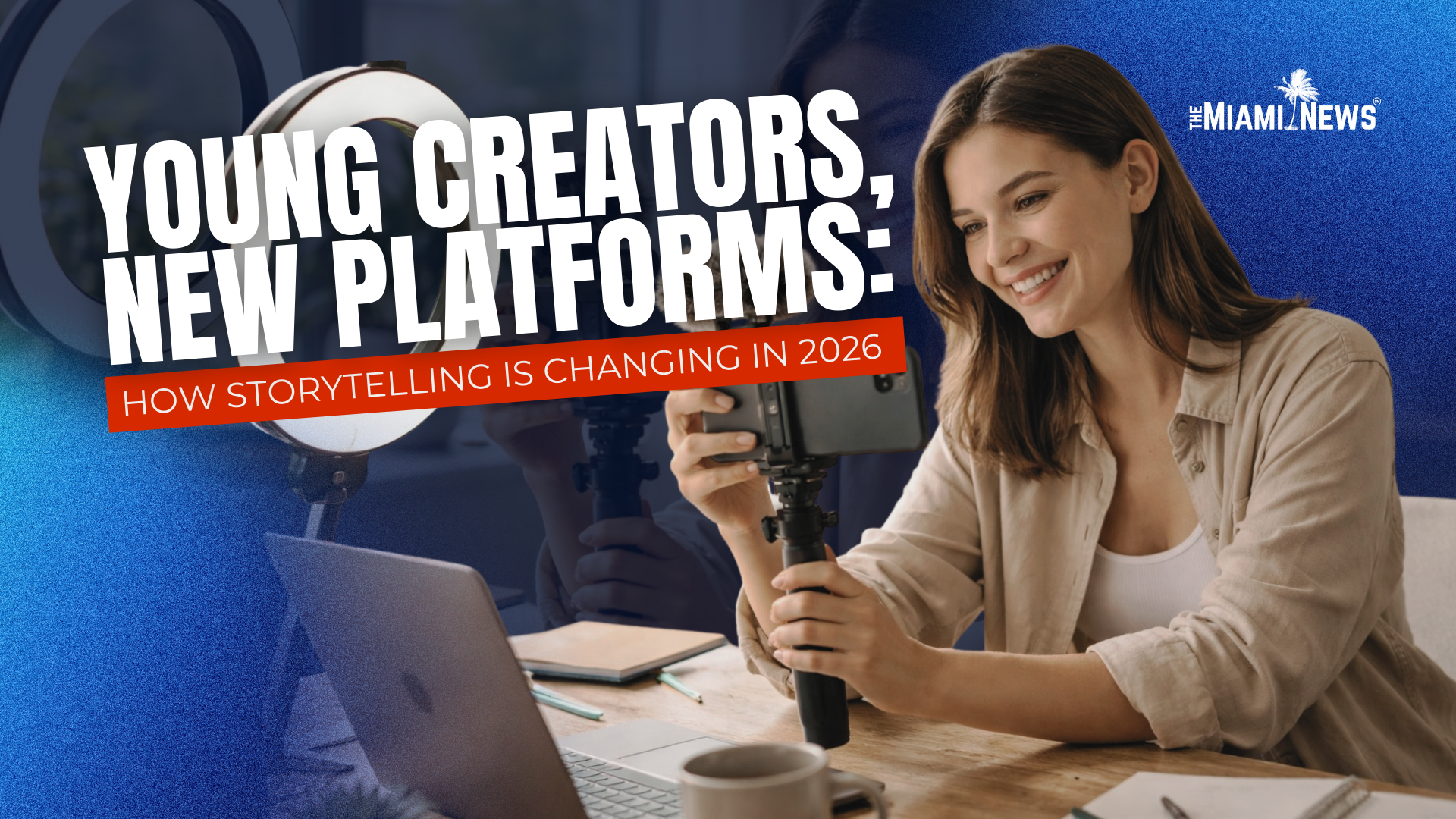
A new generation of creators is reshaping how stories are told and shared in 2026, building communities across platforms once considered niche and redefining the future of media and entertainment.
No longer waiting for approval from studios or publishing houses, young writers, filmmakers, podcasters, and digital artists are building audiences independently on platforms like Substack, Webtoon, TikTok, Twitch, and YouTube. Their work blends genres, formats, and personal storytelling in ways that feel more immediate and authentic to younger audiences.
“Today’s creators are multi platform storytellers,” said Jamal Navarro, editor at CreatorScope, a digital culture research hub. “They are not chasing traditional gatekeepers anymore. They are building ecosystems around their own voice and identity.”
Streaming platforms and social media companies are evolving to support this shift. Spotify and Apple Podcasts now offer interactive features that allow listeners to participate in polls, access exclusive visual content, and directly support creators through subscriptions. TikTok’s longform video expansion has encouraged serialized storytelling, while Webtoon and Tapas continue to expand global audiences for digital comics and graphic narratives.
Studios and publishers are paying attention. In 2025 alone, several viral online stories and independent web series were adapted into mainstream television and film projects. Talent scouts are increasingly sourcing creators directly from online communities instead of traditional industry pipelines.
At the same time, this new creator economy comes with challenges. Burnout, algorithm dependency, copyright disputes, and pressure to constantly produce content are becoming defining issues for digital storytellers. Many creators are expected to function simultaneously as artists, editors, marketers, and entrepreneurs.
Despite the pressures, the momentum continues to grow. Audiences in 2026 are gravitating toward creators who feel accessible, culturally aware, and emotionally transparent. Storytelling is becoming less centralized and more community driven, with creators shaping narratives in real time alongside their audiences.
In 2026, the future of storytelling is not being built solely in Hollywood boardrooms or publishing offices. It is unfolding across livestreams, newsletters, podcasts, and creator platforms where a new generation is redefining what it means to tell a story.


Be First to Comment