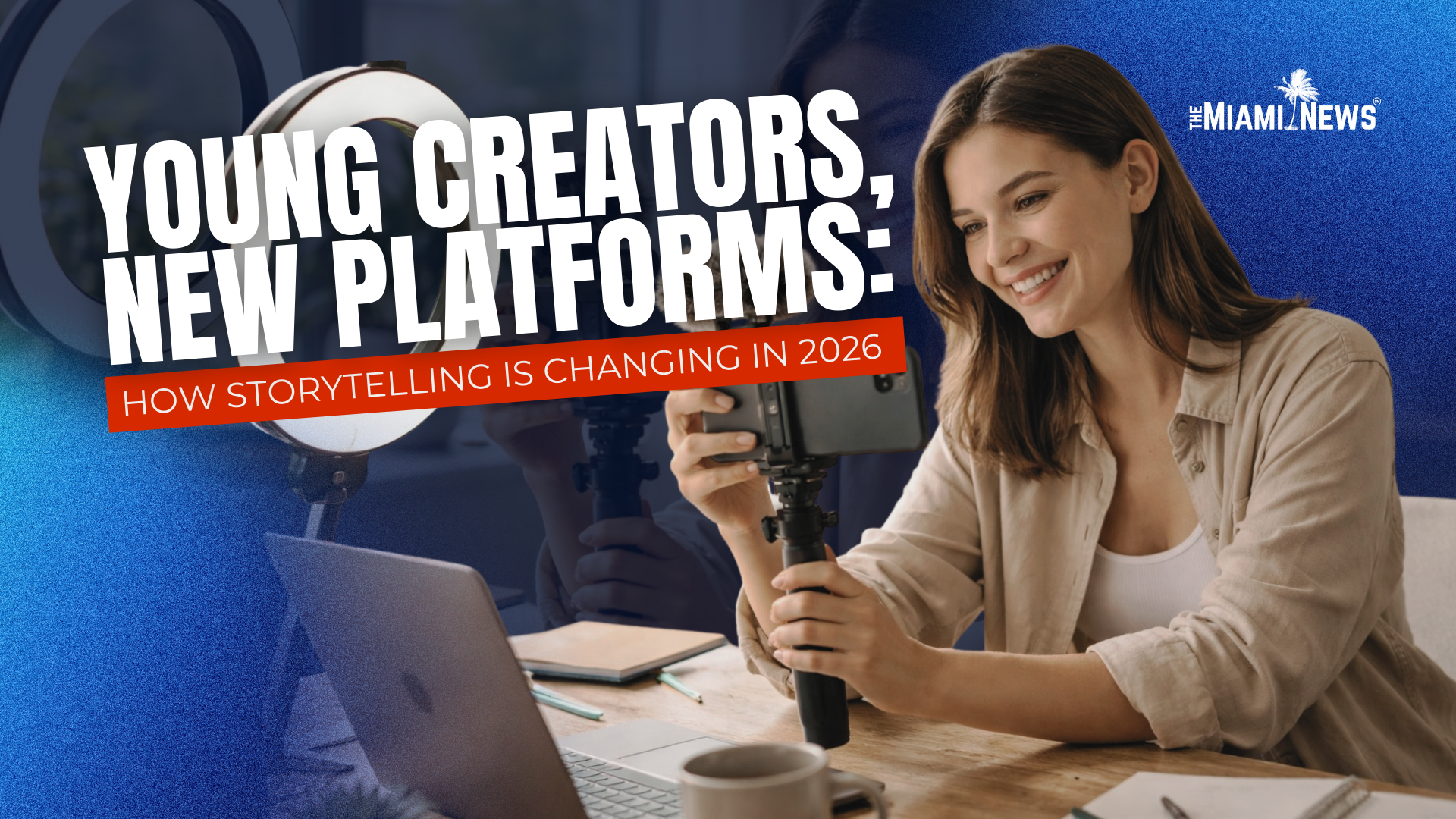
A new generation of creators is reshaping how stories are told and shared in 2026, building communities across platforms once considered niche and reimagining the very nature of narrative.
No longer waiting for greenlights from studios or publishing houses, young writers, filmmakers, podcasters, and artists are launching full careers on platforms like Substack, Webtoon, TikTok, and Twitch. Their work blurs genre lines and often mixes personal experience with fiction, activism, or social commentary.
“Today’s creators are multi-format, multi-platform, and deeply personal,” said Jamal Navarro, editor at CreatorScope, a digital culture research hub. “They’re not chasing Hollywood deals. They’re building ecosystems around themselves.”
Platforms are evolving to meet them. Spotify and Apple Podcasts now offer interactive podcasting tools that allow polls, video integration, and fan monetization. TikTok‘s new longform mode supports serialized content up to 10 minutes, fostering episodic storytelling. Webtoon and Tapas have expanded into multilingual markets, elevating graphic novels and slice-of-life comics globally.
These platforms are becoming proving grounds for IP. In 2025, over a dozen shows and films were adapted from online stories, including the viral Wattpad series turned Netflix drama Crimson Midnight. Publishers and studios are scouting directly from creator communities.
But this decentralization also brings complexity. Copyright disputes, content moderation gaps, and mental health strains are rising. Many creators face burnout from the pressure to be constantly visible, brand-savvy, and emotionally transparent with their audiences.
Still, the momentum is clear. The creators of 2026 are storytellers, marketers, editors, and entrepreneurs in one. They do not need permission. They need platforms that listen, audiences that engage, and business models that evolve as fast as their ideas.



Be First to Comment