
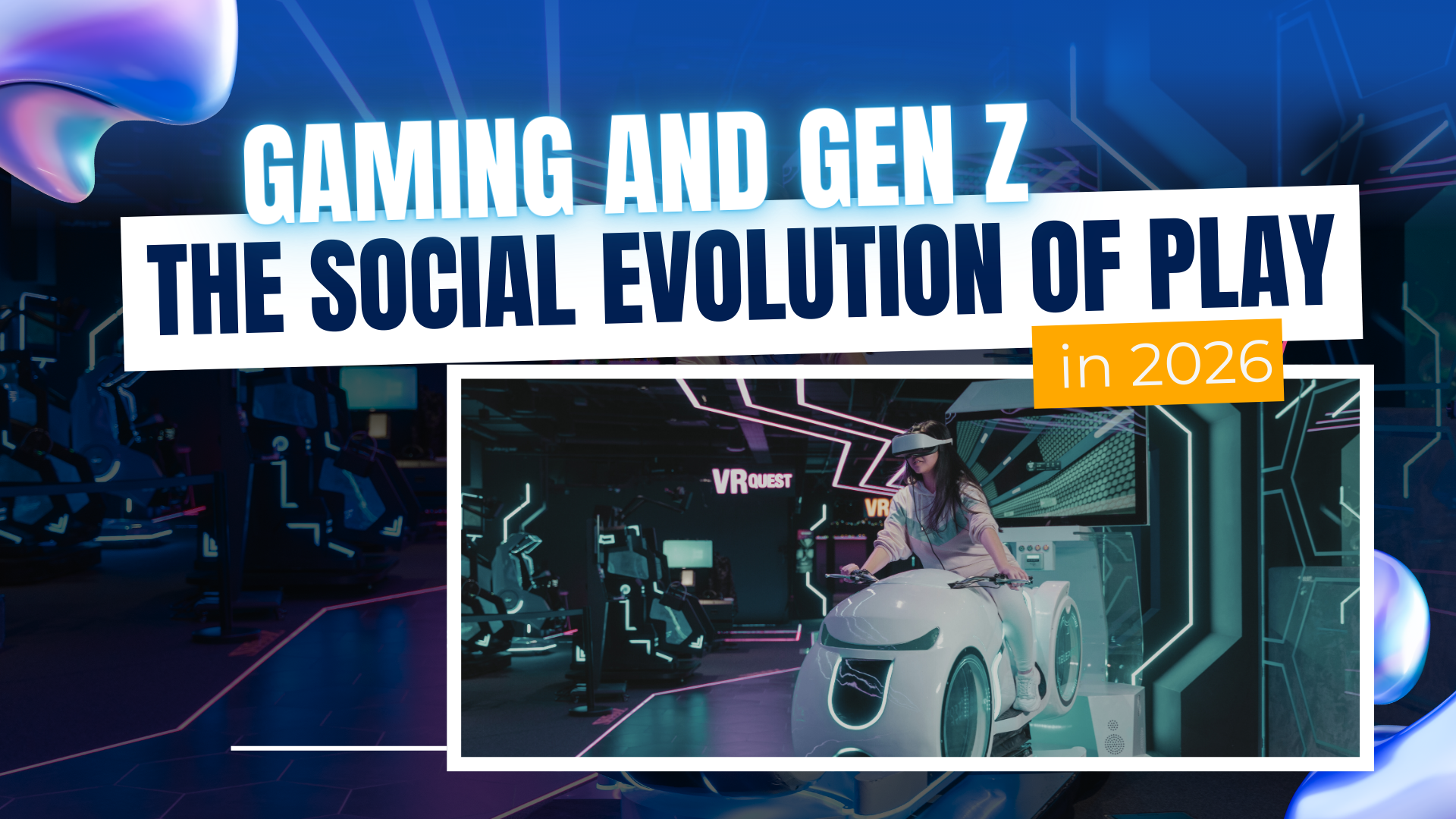
Video games are no longer just entertainment for Gen Z. In 2026, they are becoming central to how young people connect, communicate, and create identity in a digital-first world.
While blockbuster titles like Grand Theft Auto VI and competitive games like Valorant and Fortnite still dominate headlines, the most transformative trend in gaming is its shift into a social platform. According to a report by Newzoo, over 78 percent of Gen Z gamers play multiplayer or co-op games primarily to hang out with friends rather than to complete objectives.
“Gaming is our version of the mall or the after-school hangout,” said 17-year-old Kayla Ruiz from Miami. “We don’t just play. We talk, we vent, we laugh, we build.”
Platforms like Roblox and Minecraft are evolving into customizable social hubs where users co-create worlds, attend virtual concerts, and launch digital businesses. Discord has grown into the go-to voice and video layer of gaming life, with community servers replacing traditional online forums.
Game design is shifting in response. Developers are prioritizing sandbox modes, user-generated content tools, and AI-enhanced storytelling that adapts to group dynamics. Some studios are even hiring sociologists and cultural anthropologists to study how Gen Z communicates and builds community in virtual spaces.
The economic model is also transforming. Gen Z gamers are spending less on premium titles and more on in-game cosmetics, subscriptions, and creator support. Twitch, YouTube, and TikTok gaming content have become not just entertainment but cultural barometers, shaping fashion, slang, and even political views.
Still, the evolution of gaming as a social space brings new questions. Mental health experts raise concerns about screen time, cyberbullying, and the risk of over-identifying with online avatars. Schools and parents are grappling with how to distinguish between play, addiction, and digital literacy.
In 2026, gaming is no longer the counterculture. For Gen Z, it is the culture. As technology and social norms continue to merge, the question is not whether gaming will influence society, but how deeply it will redefine the rules of connection.





Be First to Comment