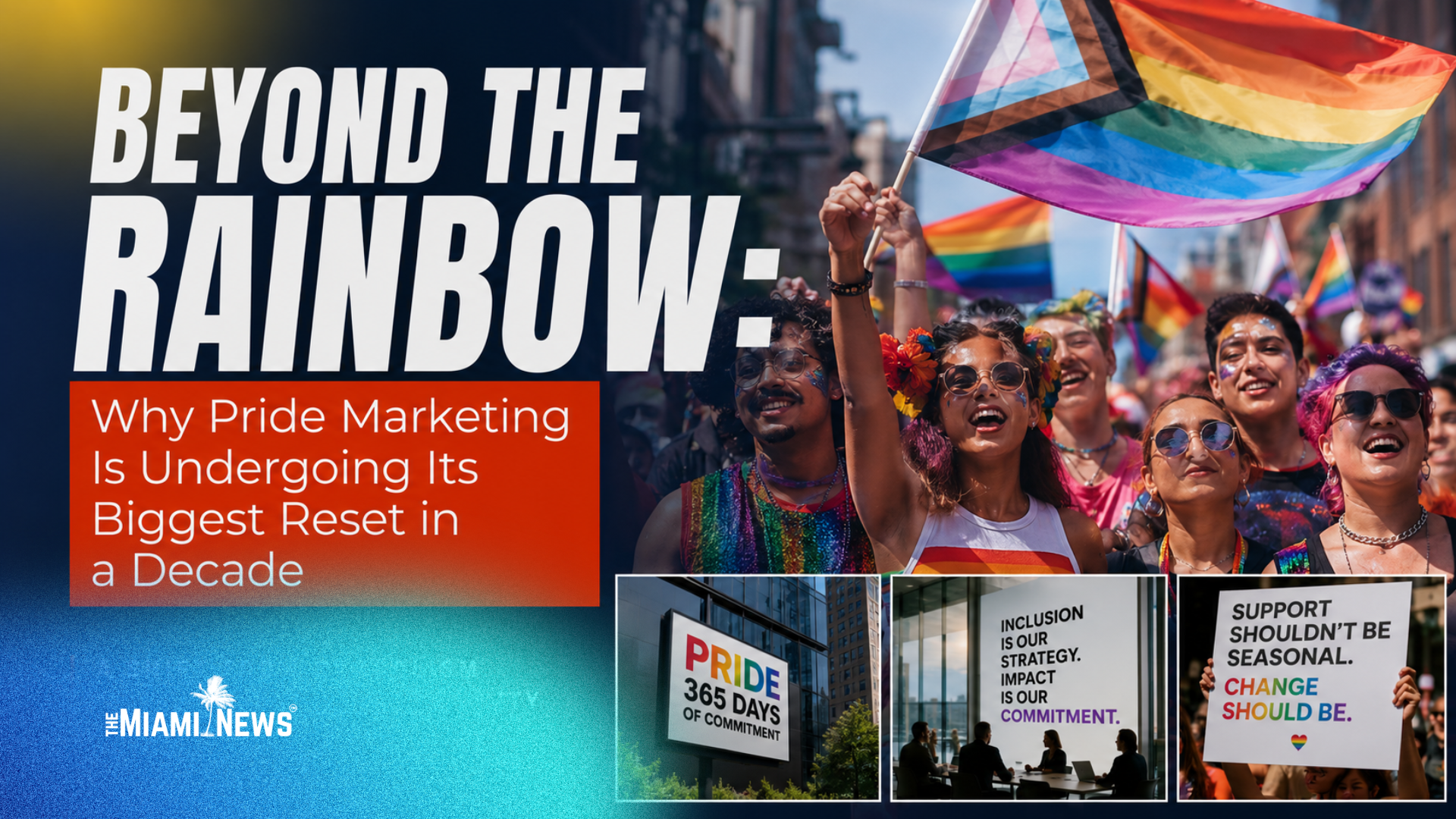
As companies rethink LGBTQ+ campaigns amid political polarization and consumer scrutiny, brands are shifting from symbolic gestures to year-round engagement.
NEW YORK — June has long been synonymous with rainbow logos, Pride-themed product launches and high-profile corporate sponsorships. But in 2026, the landscape looks markedly different. Many of the world’s biggest brands have scaled back visible Pride Month campaigns, opting instead for quieter initiatives, long-term community partnerships and internal diversity programs. The shift reflects a changing corporate calculus as businesses navigate political pressure, consumer expectations and growing demands for authenticity.
For marketing executives, Pride has evolved from a seasonal campaign into a complex conversation about values, reputation and long-term commitment.
The End of Performative Allyship?
A decade ago, Pride Month represented one of the most visible examples of corporate social responsibility. Retailers decorated storefronts with rainbow displays, fashion brands released limited-edition collections and social media platforms were flooded with celebratory messaging.
Yet many LGBTQ+ advocates questioned whether these campaigns reflected meaningful support or simply capitalized on a growing consumer market.
The term “rainbow capitalism” entered mainstream conversation, describing companies that embraced Pride branding in June while doing little to advance LGBTQ+ rights throughout the rest of the year.
That criticism has intensified in recent years. Consumers now expect brands to demonstrate consistent action through inclusive hiring practices, equitable workplace policies, charitable giving and sustained partnerships with advocacy organizations.
“Visibility still matters,” said Dr. Elaine Foster, a professor of marketing and consumer behavior. “But audiences have become much more sophisticated. They want evidence that a company’s values extend beyond a logo change.”
Political Pressure Reshapes Corporate Strategy
The changing political climate has also influenced how companies approach Pride.
Several major U.S. retailers have reduced in-store Pride merchandise, while others have limited promotional campaigns following heightened public debate surrounding diversity initiatives. Executives increasingly cite employee safety, customer concerns and regional market differences as factors shaping their decisions.
Rather than abandoning LGBTQ+ outreach altogether, many companies are reallocating resources toward initiatives that receive less public attention but have longer-lasting impact.
These include expanding employee resource groups, funding mental health services, supporting LGBTQ+ youth organizations and strengthening workplace benefits for transgender employees and their families.
Marketing consultants say this quieter approach reflects broader changes in corporate communications.
“Brands are becoming more cautious,” said communications strategist Marcus Lee. “The emphasis has shifted from making the loudest statement in June to demonstrating credibility over twelve months.”
Fashion and Entertainment Continue to Lead
While some consumer brands have scaled back public campaigns, the fashion and entertainment industries continue to embrace Pride as both a cultural celebration and a platform for creative expression.
Luxury houses unveiled capsule collections supporting LGBTQ+ artists, while designers used international fashion weeks to spotlight queer voices and inclusive storytelling. Editorial features in publications such as Vogue and Vanity Fair have increasingly focused on LGBTQ+ creators whose influence extends far beyond Pride Month.
Hollywood has followed a similar path. Streaming platforms and film studios are investing in stories featuring LGBTQ+ characters, directors and writers, moving beyond one-time campaigns toward more sustained representation on screen.
People magazine’s recent coverage of LGBTQ+ celebrities and families has likewise reflected a broader shift toward normalizing representation rather than treating it as a seasonal topic.
Industry analysts argue that authentic storytelling resonates more deeply than promotional campaigns alone.
“When audiences see themselves represented consistently—not just during June—it builds trust,” said entertainment analyst Sofia Ramirez. “Representation becomes part of the culture instead of a marketing strategy.”
Consumers Expect Accountability
Social media has fundamentally changed how consumers evaluate corporate values.
Companies now face immediate scrutiny over political donations, labor practices, executive diversity and charitable contributions. A rainbow-themed advertisement may generate positive attention, but it can also prompt questions about whether a brand’s actions align with its messaging.
This heightened transparency has encouraged businesses to publish diversity reports, expand supplier inclusion programs and disclose progress toward equity goals.
For younger consumers, particularly Generation Z, authenticity has become a key factor influencing purchasing decisions.
Research from multiple consumer insights firms indicates that younger audiences are more likely to support companies they perceive as socially responsible—but they are equally willing to criticize brands whose messaging appears inconsistent or opportunistic.
The result is a marketing environment where symbolism alone is no longer sufficient.
Miami’s Diverse Community Offers a Different Perspective
In Miami, Pride remains deeply connected to the city’s multicultural identity.
Events across South Florida continue to draw large crowds, supported by local businesses, hospitality companies and cultural organizations. Rather than focusing exclusively on merchandise or advertising campaigns, many community leaders emphasize partnerships that support LGBTQ+ nonprofits, youth programs and health initiatives throughout the year.
The city’s tourism industry also recognizes the economic importance of LGBTQ+ travelers, who contribute significantly to hospitality, entertainment and cultural events.
“Visitors are looking for destinations where inclusion feels genuine,” said Carla Mendoza, director of a Miami tourism organization. “They’re paying attention not only to marketing but to the overall experience.”
That perspective mirrors a broader global trend: inclusion is increasingly measured by everyday actions rather than seasonal promotions.
Looking Ahead
Pride Month remains an important celebration of visibility, resilience and progress. Yet the evolution of corporate participation suggests a more mature phase in the relationship between brands and social causes.
Businesses are discovering that credibility cannot be built through temporary campaigns alone. It requires sustained investment, transparent leadership and policies that reflect the values companies publicly promote.
For consumers, the rainbow logo may no longer be the ultimate symbol of support. Instead, the true measure of corporate allyship is becoming what happens after June ends.
Sidebar | Pride 2026 at a Glance
- Many major brands have reduced highly visible Pride marketing campaigns.
- Companies are increasing investment in year-round LGBTQ+ employee initiatives.
- Younger consumers place greater emphasis on authenticity than symbolic branding.
- Fashion, entertainment and media continue to expand LGBTQ+ representation.
- Community partnerships are replacing short-term promotional campaigns as a key measure of corporate support.