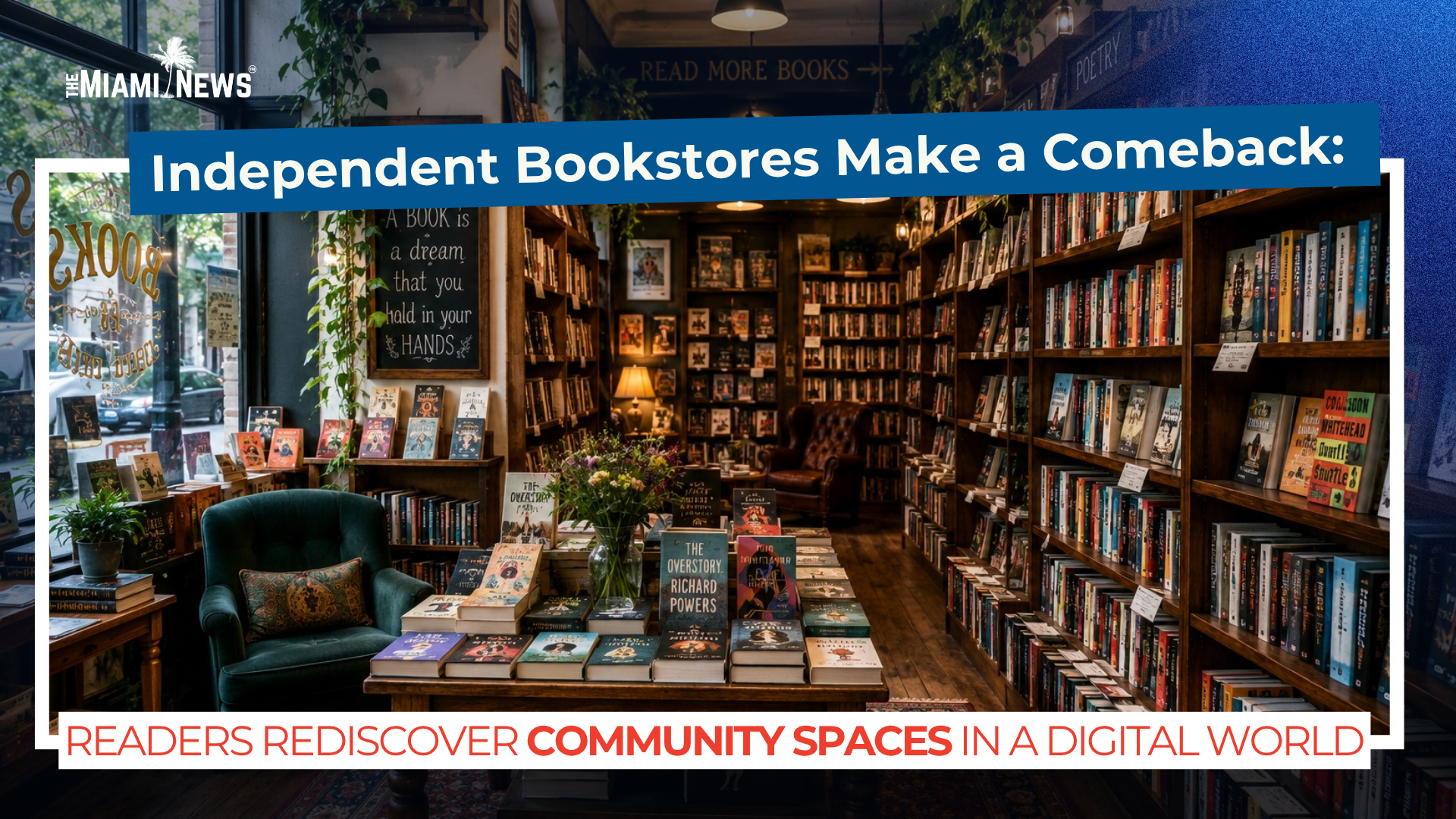
Despite predictions of decline, independent bookstores are experiencing a resurgence as readers seek human connection, curated recommendations, and cultural experiences.
For years, the future of independent bookstores appeared uncertain.
The rise of e-commerce, e-books, and digital media led many observers to believe neighborhood bookshops would gradually disappear. Instead, an unexpected revival is taking place.
Across cities large and small, independent bookstores are attracting new generations of readers who value experiences that cannot be replicated online. These stores have evolved beyond retail spaces, becoming cultural hubs where people gather for author talks, book clubs, workshops, and community events.
Owners say customers increasingly appreciate personalized recommendations from knowledgeable staff rather than algorithm-driven suggestions. The experience of browsing shelves, discovering unexpected titles, and engaging in conversation remains difficult to replicate digitally.
Social media has also contributed to the resurgence. Communities centered around reading have flourished online, inspiring many people to seek out physical spaces that reflect their literary interests.
Publishers have noticed the trend. Independent bookstores often play an influential role in launching emerging authors and promoting diverse voices that may not receive widespread commercial attention.
The renewed popularity of these stores reflects a broader shift toward authenticity and local engagement. Consumers increasingly value businesses that contribute to neighborhood identity and foster meaningful human interaction.
In an age dominated by screens, the simple act of browsing a bookstore remains one of culture’s most enduring pleasures.