
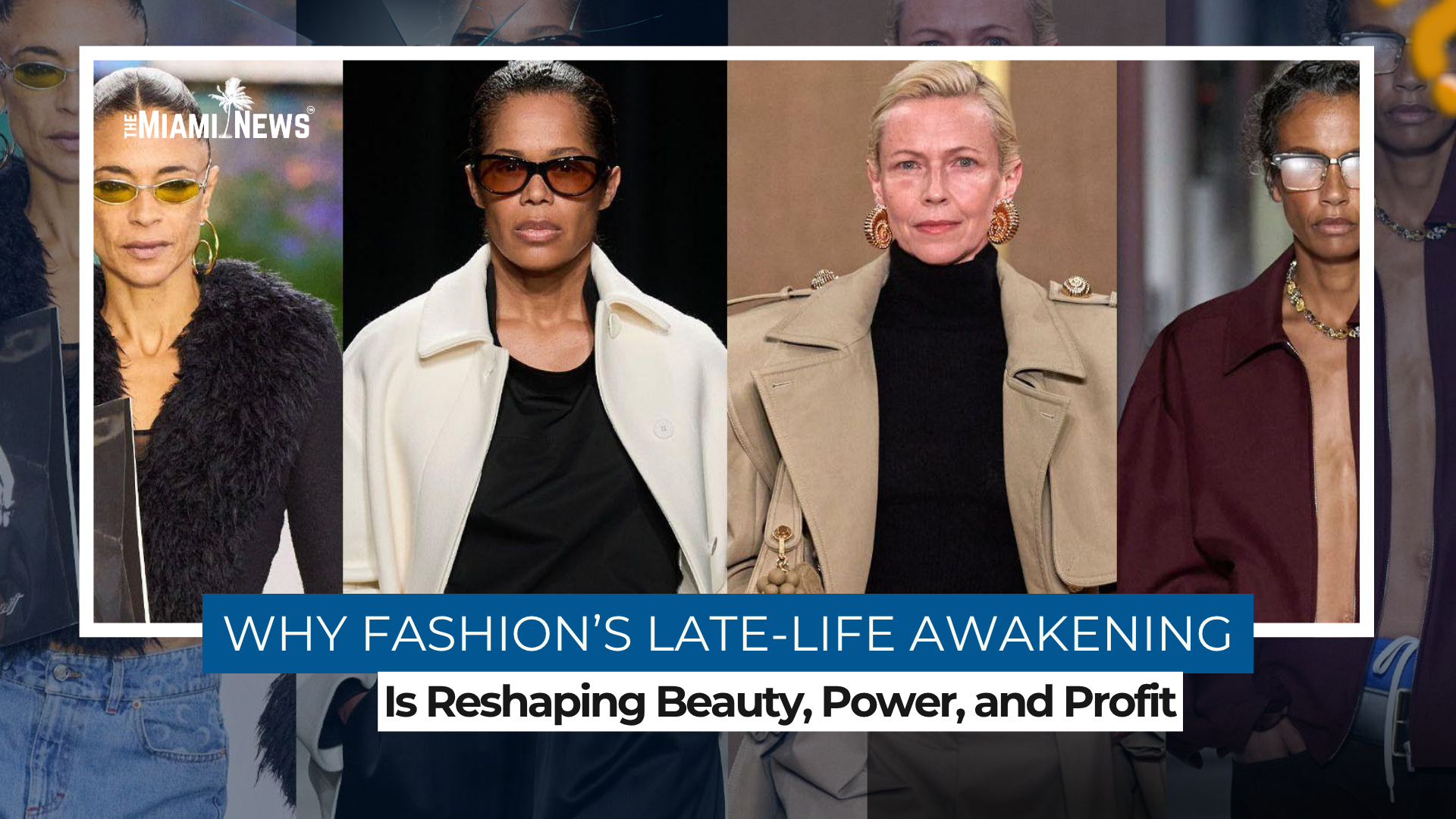
From runways to magazine covers, older women are no longer sidelined—they are becoming central figures in an industry long defined by youth. This new prominence signals a deeper cultural and economic shift. The fashion industry embracing older women marks an exciting and important evolution in style and representation.
In a striking departure from decades of youth-obsessed imagery, the global fashion industry is embracing older women with unprecedented visibility. For example, recent runway seasons in Paris and Milan showcased older women more prominently. High-profile magazine covers are also featuring women in their 70s. Therefore, the shift is both symbolic and strategic. What was once considered commercially risky is now being framed as culturally necessary. Additionally, it is increasingly seen as economically smart. The industry’s ongoing evolution reflects how fashion is embracing older women in new and visible ways.
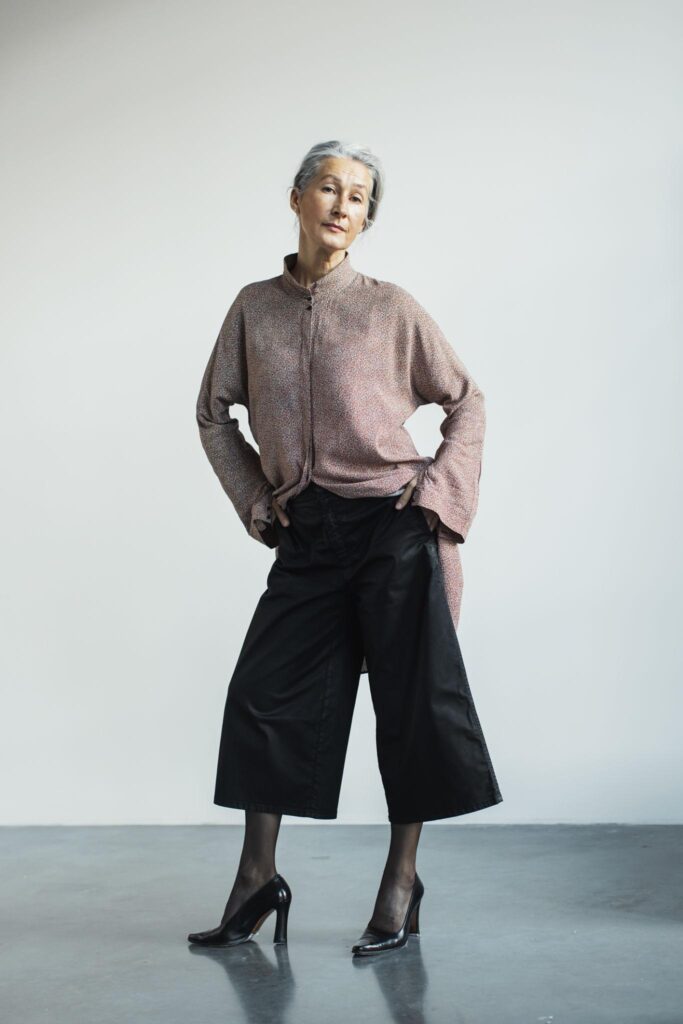
The turning point, industry insiders suggest, did not happen overnight. For years, critics and consumers alike have challenged fashion’s narrow standards of beauty, particularly its fixation on youth. However, in the past 18 months, that pressure appears to have crystallized into action. Major fashion houses have cast a record number of models over 40. Also, editorial spreads are showcasing women with lived experience—wrinkles, gray hair, and all. This shift exemplifies how the fashion industry is actively embracing older women.
“It’s not just a trend; it’s a recalibration,” said a Paris-based casting director who has worked across multiple luxury brands. “The audience has changed. Women in their 50s, 60s, and beyond are not only visible—they’re influential, and they’re spending.” As a result, the fashion industry is noticeably embracing older women more fully than ever before.
Data supports the claim. According to a 2024 report by Bain & Company, consumers over 50 now account for nearly 35% of global luxury spending. This figure is expected to rise steadily as populations age in Europe, North America, and parts of Asia. In the United States alone, women over 50 control more than $15 trillion in consumer spending power. For an industry built on aspiration, ignoring this demographic is no longer viable. It is evident that embracing older women is now essential in fashion.
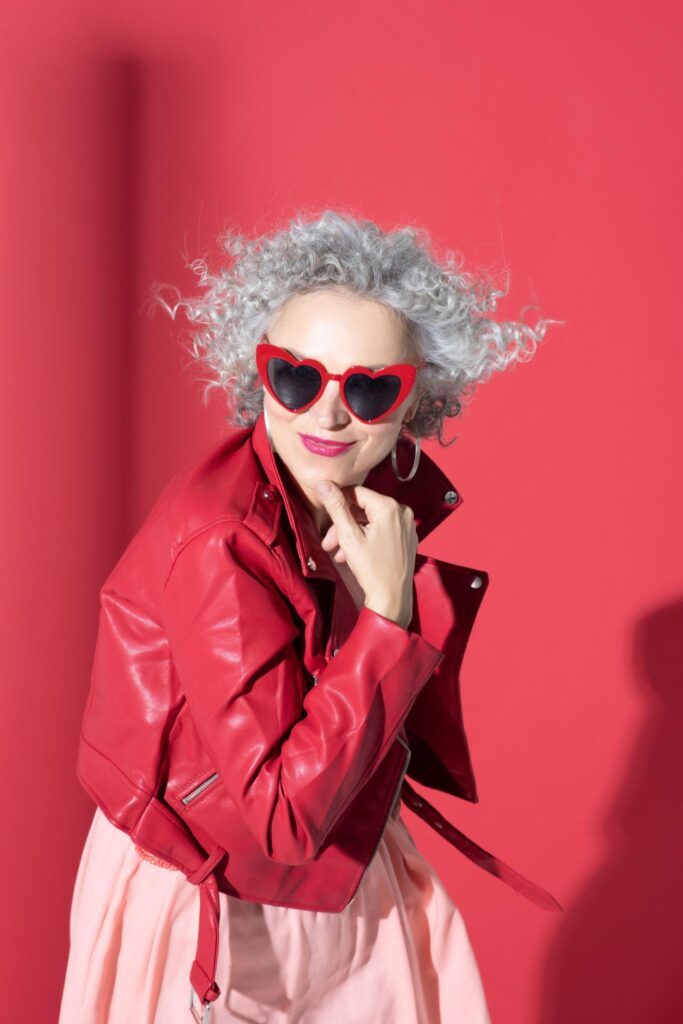
Yet the shift is not purely economic. Cultural forces have also played a decisive role. Social media platforms have given rise to a generation of “mature influencers”—women who have built large followings by challenging age norms and showcasing style beyond youth. Their presence has disrupted traditional gatekeeping mechanisms. This disruption allows audiences to redefine beauty on their own terms. This demonstrates the fashion industry’s growing acceptance and embracing older women in the digital era.
“I spent decades being told my relevance had an expiration date,” said one prominent model in her 60s, who recently walked in multiple European fashion weeks. “Now, suddenly, the industry is catching up to what we’ve known all along—that style doesn’t disappear with age.” Clearly, the fashion industry’s attitude is shifting, embracing older women as influential style icons.
Designers, too, are responding creatively. Collections are increasingly tailored to a broader spectrum of bodies and lifestyles. As a result, fashion is moving away from the hyper-specific silhouettes that once dominated catwalks. The inclusion of older models has forced a reconsideration of form, movement, and narrative. Clothes are no longer just about fantasy; they are about reality—and longevity. As the fashion industry continues embracing older women, creative horizons are expanding.
Still, the transformation is not without contradictions. While age diversity has improved, other forms of inclusivity—particularly size diversity—remain inconsistent. Critics argue that fashion risks replacing one form of tokenism with another. They say the industry celebrates a narrow version of “acceptable aging” that still adheres to conventional standards of beauty. While the industry is embracing older women, there are still gaps in inclusivity that need addressing.
“There’s a danger in congratulating the industry too quickly,” said a London-based fashion critic. “Yes, we’re seeing older women, but often they are still exceptionally thin, conventionally attractive, and already famous. True inclusivity means embracing all forms of aging, not just the palatable ones.” Nevertheless, the progress shows the fashion industry gradually embracing older women of various backgrounds.
The media’s role has also evolved. Editorial decisions that once favored youthful faces are now deliberately spotlighting older women, not as novelties but as central figures. Recent magazine covers featuring women in their 70s have sparked widespread conversation—not just about representation, but about the narratives attached to aging itself. These moments further highlight how the fashion industry is actively embracing older women in media coverage.
In Miami, where youth culture has long been intertwined with the city’s identity, the shift is beginning to resonate locally. Boutique designers and independent labels are increasingly casting older models in campaigns. Furthermore, luxury retailers report growing engagement from older clientele. The city’s fashion scene, known for its vibrancy and diversity, may be uniquely positioned to amplify this global movement. As Miami’s style landscape evolves, the fashion industry here is also embracing older women in new ways.
Fashion’s embrace of older women marks more than a visual update—it signals a broader rethinking of value, visibility, and voice. Whether driven by economics, activism, or cultural evolution, the change challenges long-held assumptions about who gets to be seen and celebrated. The question now is not whether the industry will continue down this path, but how deeply it is willing to transform. For the first time in decades, age is not being edited out of the picture. It is becoming part of the story. In short, the fashion industry is truly embracing older women and rewriting the narrative.
Sidebar: Key Shifts in Fashion’s Age Revolution
- Runway Representation: Record numbers of models over 40 in major fashion weeks signal the industry embracing older women.
- Consumer Power: 35% of luxury spending driven by consumers over 50 reflects the fashion industry’s recognition of older women’s influence and its ongoing embrace.
- Cultural Influence: Rise of mature influencers reshaping beauty standards shows how the fashion industry is actively embracing older women in the cultural conversation.
- Editorial Change: High-profile magazine covers featuring women 70+ continue the industry’s embrace of older women in media narratives.
- Ongoing Gaps: Size diversity and broader inclusivity still lag behind even as the fashion industry is embracing older women.

Be First to Comment