
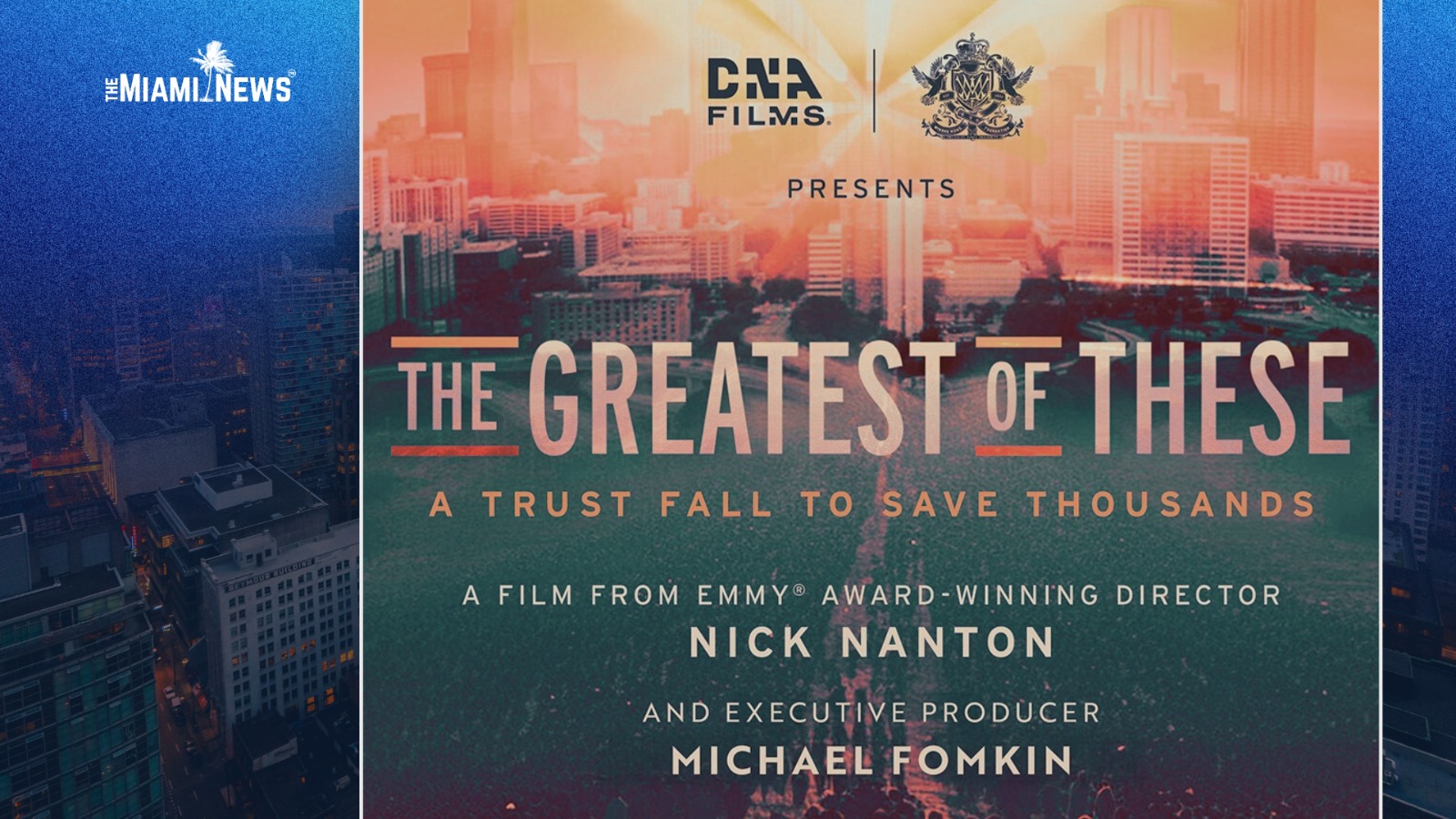
A new documentary produced by Sir Michael Fomkin and directed by Emmy Award–winning filmmaker Nick Nanton explores how radical compassion and community trust are transforming lives in Atlanta. The Sir Michael Fomkin The Greatest of These documentary puts a spotlight on these inspiring efforts and the people behind them.
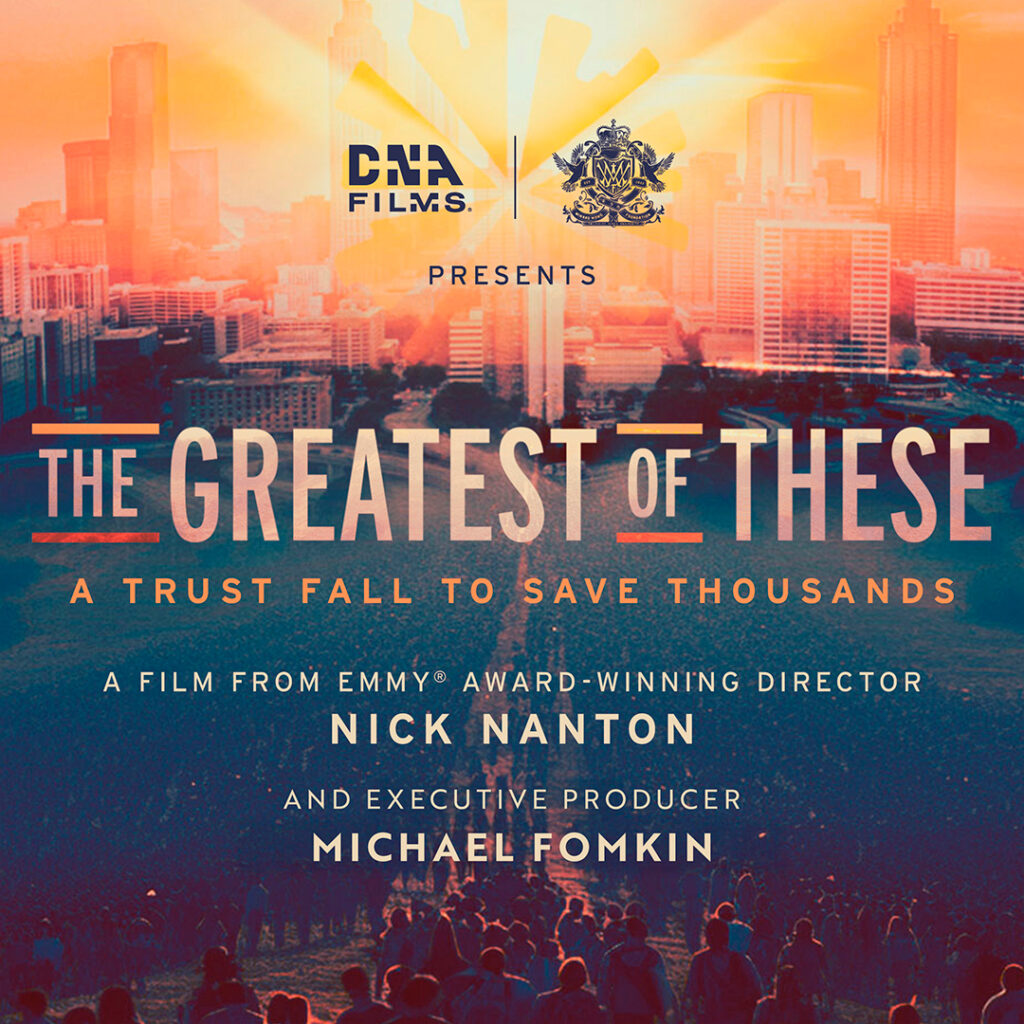
In a world often driven by punishment rather than rehabilitation, a new documentary asks a provocative question: What if transformation began with trust instead of judgment? The Greatest of These, a film directed by Emmy Award–winning filmmaker Nick Nanton and produced by Sir Michael Fomkin, tells the remarkable story of Pastor Bruce Deel and the City of Refuge in Atlanta. This organization has quietly reshaped thousands of lives through radical compassion, second chances, and faith-driven community action.
A Story Rooted in Faith, Hope, and Love
The film takes its title from the biblical verse 1 Corinthians 13:13, which declares that while faith and hope endure, “the greatest of these is love.” That message anchors the narrative of the documentary. It follows Pastor Bruce Deel’s decades-long mission to transform one of Atlanta’s most distressed neighborhoods into a place of refuge, restoration, and opportunity.
Visually, the film’s promotional artwork captures that symbolism: a sunrise over the city skyline, as a crowd walks forward together toward the light. The imagery reflects both the literal community and the metaphorical journey of redemption. People are moving from despair toward hope.
“Every person deserves a second chance,” one of the film’s central themes declares. Rather than focusing on crime statistics or urban decay, the documentary highlights the power of belief. It explores what happens when someone chooses to see potential instead of failure.
The Vision Behind the Film
For Sir Michael Fomkin, whose work through Abundance Studios® focuses on storytelling that inspires positive change, the project reflects a broader mission. That mission is to spotlight stories that restore faith in humanity.
“Abundance Studios is about sharing stories that awaken people,” Fomkin has said about the project. “Stories that remind us redemption is not just an idea. It is something tangible and real.”
That philosophy guided his involvement as producer. The documentary aims not only to tell an uplifting story but to challenge viewers to reconsider the way society approaches justice, poverty, and community rebuilding.
Rather than presenting City of Refuge as a miracle solution, the film documents a deeper truth. Transformation happens when people are trusted before they are judged.
City of Refuge: A Community Rebuilt
At the center of the film is City of Refuge, the Atlanta-based nonprofit founded by Pastor Bruce Deel in 1997. What began as a small ministry has grown into a multifaceted community hub offering housing assistance, healthcare services, education programs, job training, and youth outreach.
The organization operates on a radical but simple principle: trust first.
For individuals emerging from homelessness, addiction, or incarceration, City of Refuge provides something many institutions do not. It offers an environment where belief in a person’s potential comes before suspicion of their past.
Over the years, thousands have passed through its programs, gaining access to employment training, medical care, and stable housing. The documentary captures not just the statistics but the personal journeys behind them. These are stories of individuals who rebuilt their lives when someone chose compassion over condemnation.
A Documentary About Courage and Community
Director Nick Nanton, known for his award-winning documentaries that explore leadership, innovation, and personal transformation, brings a deeply human storytelling approach to the project.
Rather than presenting City of Refuge as a charity model, the film portrays it as a living community built on courage. The courage to forgive, to rebuild, and to believe that even the most difficult circumstances can change.
One of the film’s guiding ideas is that love and accountability are not opposites. When paired together, they can become a powerful force for social change.
“True power is compassion, not control,” reads one of the film’s promotional lines. That philosophy runs through every scene.
Why This Story Matters Now
At a time when debates about criminal justice reform, homelessness, and social inequality dominate public discourse, The Greatest of These offers a perspective often missing from policy conversations. It offers the human one.
Statistics and legislation shape systems. Transformation happens person by person, relationship by relationship.
Fomkin believes storytelling can help bridge that gap.
Films like this remind audiences that systemic change begins with individual acts of courage and trust. These are small decisions that ripple outward into communities.
Closing Reflection
In the end, The Greatest of These is less about a nonprofit organization than it is about a philosophy. The most powerful force for change is not authority, wealth, or even policy.
It is love.
By documenting the work of Pastor Bruce Deel and the City of Refuge, Sir Michael Fomkin and the film’s creative team invite viewers to imagine a different model of transformation. Compassion leads the way, and the greatest change begins with the simple act of believing in someone.
Sidebar: The Greatest of These – Film Snapshot
- Director: Nick Nanton
- Producer: Sir Michael Fomkin
- Production: DNA Films in association with Abundance Studios
- Theme: Redemption through trust, compassion, and second chances
- Focus: Pastor Bruce Deel and the City of Refuge community initiative in Atlanta
- Core Message: Faith, hope, and love remain. The greatest of these is love.




Be First to Comment